
Start by naming the failure you’re trying to avoid
We see teams pick features before they define outcomes, and the result is stalled deployments and expensive rewrites. Ask whether the system must connect to existing security layers right away — for example, does it need integrated access control with badge readers and turnstiles, or can that wait until phase two? That single decision changes procurement scope, vendor choice, and timelines.
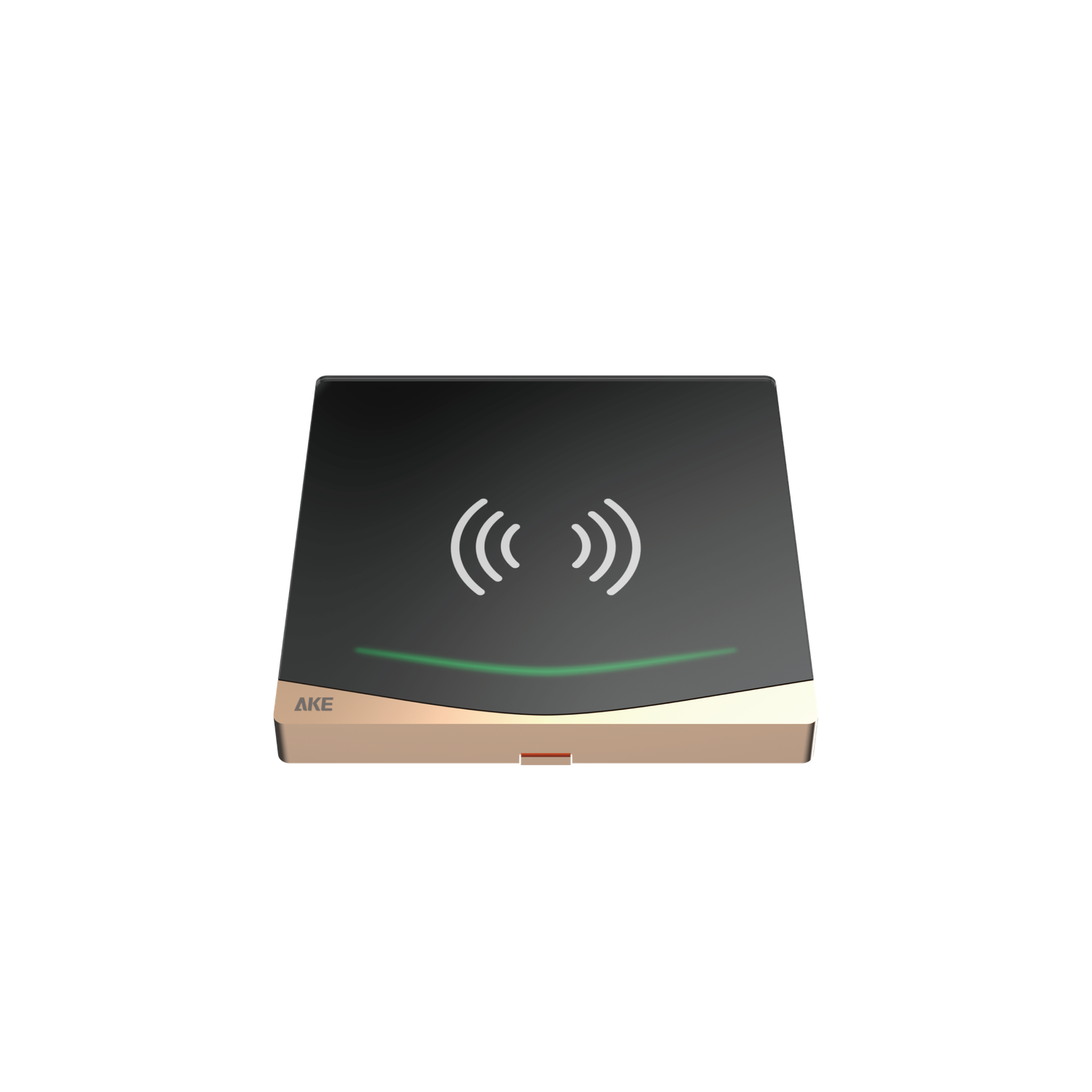
Technical checkpoints that stop surprises
Demand specifics, not promises. Get API docs, supported protocols (REST, MQTT, OCPP if EV charging is involved), firmware update procedures, and a max-latency SLA for telemetry. Confirm device management: how are sensors replaced, who over-the-air updates drivers, and what happens if a gateway loses cloud connectivity? If you can’t map each interface and failure mode, you’ll face unplanned integration costs.
Operational questions that affect daily users
Define core user flows and test them conceptually: find-a-spot, contactless entry, payment reconciliation, and exception handling for disabled drivers. Ask about how the system presents availability to third-party apps, how wayfinding integrates with signage, and whether occupancy counts are validated against physical audits. If the vendor can’t describe a day-in-the-life for parking attendants or security personnel, usability will be an afterthought.
Security, compliance and a real-world anchor
Security answers must include credential lifecycle, encryption-at-rest and in-transit, and role-based access for operators. NIST Special Publication 800-116 offers practical controls for linking credentials to physical access systems, and following that guidance helps frame your requirements. Prioritize vendors that can show a plan for building access control integration so badge issuance, revocation, and audit logs remain consistent across facilities.
Common procurement mistakes to avoid
Don’t buy by feature list alone. Mistake 1: assuming “cloud-native” means easy integration. Mistake 2: accepting a one-time test in a single lot as proof of scalability. Mistake 3: treating hardware and software as separate procurements without a clear owner for system health. Each mistake adds months and cost during commissioning.
Alternatives and the trade-offs you’ll negotiate
You’ll face three sensible paths: buy a turnkey platform from a single vendor (fast but less flexible), assemble best-of-breed components and integrate them yourself (flexible but resource-heavy), or select a modular vendor that exposes clean APIs and supports field integration (middle ground). Map your internal dev capacity and timetable; the right choice aligns with how much customization you truly need now versus later.

Decision checklist that keeps projects on schedule
Force vendors to commit in writing to: supported integrations, lifecycle costs, deployment milestones, downtime impacts, and test plans. Run a short pilot that verifies integration with security infrastructure and payment reconciliation. If you want modular hardware, confirm spare-part lead times and regional support. These checks prevent stalls at commissioning.
Where this leads
Pick the system that answers your operational questions first, technical questions second, and sales pitches last. For teams that need demonstrated integration capability and clear APIs alongside field-proven hardware, I often look to suppliers whose product and support posture match those requirements—because that’s what keeps rollouts predictable and maintenance manageable—like AKE Parking.