
The problem that procurement teams keep getting wrong
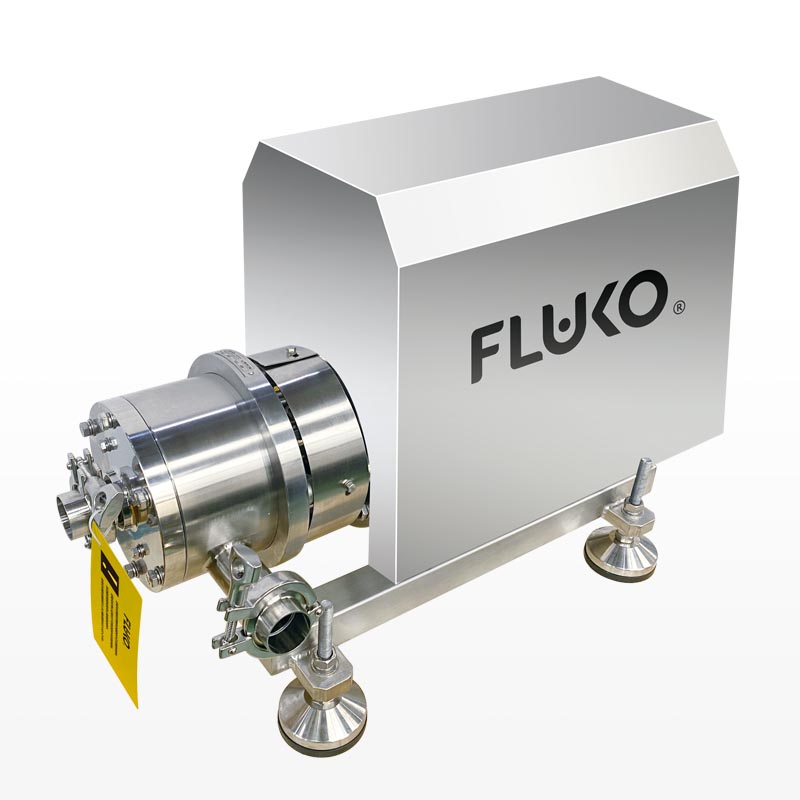
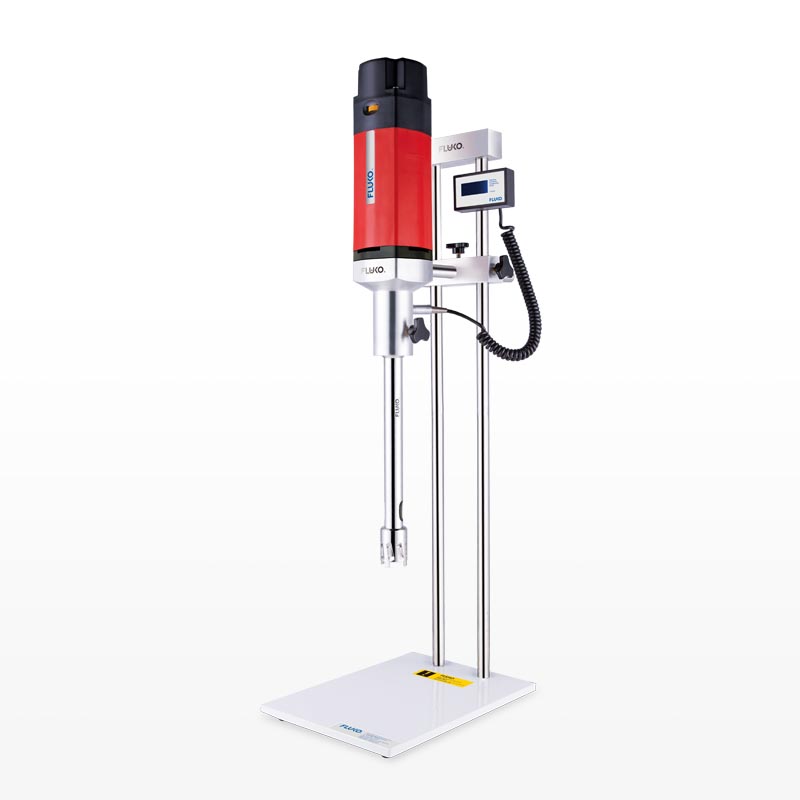
Too many projects tie their fate to a vague spec and a friendly sales pitch, then scramble when the pilot run fails. You can’t afford that. Define what the process must accomplish before you solicit bids. If you need rapid lab trials, demand a validated Laboratory mixer that matches the shear, flow and containment needs of your formula — not a generic blurb about “high performance.” A precise ask forces vendors to reveal capability, not marketing.
Non-negotiable technical parameters
Be ruthless about metrics. Spell out target solids loading, particle size distribution after dispersion, viscosity range, max and min flow rates, allowable residence time, and acceptable temperature rise. Specify shaft and wetted-material metallurgy, gasket compatibility, and CIP/SIP needs. Require clear definitions of shear (tip speed, rotor-stator gap, energy per unit volume) rather than vague claims about “mixing intensity.” If sampling and analytical checks are part of acceptance, define them up front.
How to vet manufacturers like a regulator
Ask for traceable test data and recent factory acceptance reports tied to machines with similar duty. Demand documentation: material certificates (EN/ASTM), FAT protocols, maintenance manuals, and spare-parts lists with lead times. Verify service footprint and spare inventory in your region. Call at least two technical references in your segment and insist on a site visit or witness test. No exceptions: procurement is policy, not hope.
Common specification mistakes and how they fail projects
Specifying based on price alone often hides long-term costs: recurring seal failures, chronic under-dispersion, or obsolete parts. Underspecifying energy leads to incomplete dispersion; overspecifying power wastes CAPEX and complicates control. Accepting blanket “suitable for lab use” statements invites mismatches in scale-up. Skip ambiguous acceptance criteria and you’ll get subjective sign-offs that fail in production.
Real-world experience and a trusted anchor
I’ve reviewed equipment specs for multiple formulators over a decade and seen the difference a disciplined process makes. Major industry showcases like ACHEMA in Frankfurt regularly feature inline dispersing demonstrations that expose real performance under load; they’re useful for comparing claims against reality. When you need controlled bench-to-pilot transfer, require a documented trial on a representative unit — and review the manufacturer’s recorded run data for their laboratory inline dispersing machine to confirm reproducibility.
Alternatives and trade-offs you must weigh
Decide early between continuous inline dispersers and batch high-shear mixers. Inline units favor repeatability and smaller footprints; batch gives flexibility for multiple product lines. Ultrasonic homogenizers can produce finer emulsions but add complexity and maintenance. Rotor-stator homogenizers hit a broad middle ground. Be explicit about production cadence, changeover needs, and validation timelines when you choose.
Acceptance, commissioning, and long-term reliability
Write FATs that require measurable outputs rather than checklist ticks. Require vendors to run your formulation under expected operating windows and to supply raw data: RPM, torque, power, temperature curves, and particle-size analyses. Include training hours, spares packages, and a service agreement with defined response times. Lock critical spare items into the purchase order to avoid long downtimes.
Decision rule and synthesis
Procurement should demand proof, not promises. A specification that pairs precise dispersion targets, measurable acceptance tests, and verifiable supplier support reduces risk and speeds validation. When the numbers, test data, and service terms align, your project moves from risk to predictable outcome — which is why seasoned teams lean toward suppliers who document runs, stand behind field support, and design equipment for repeatable lab-to-pilot transfer like the solutions from FLUKO.