
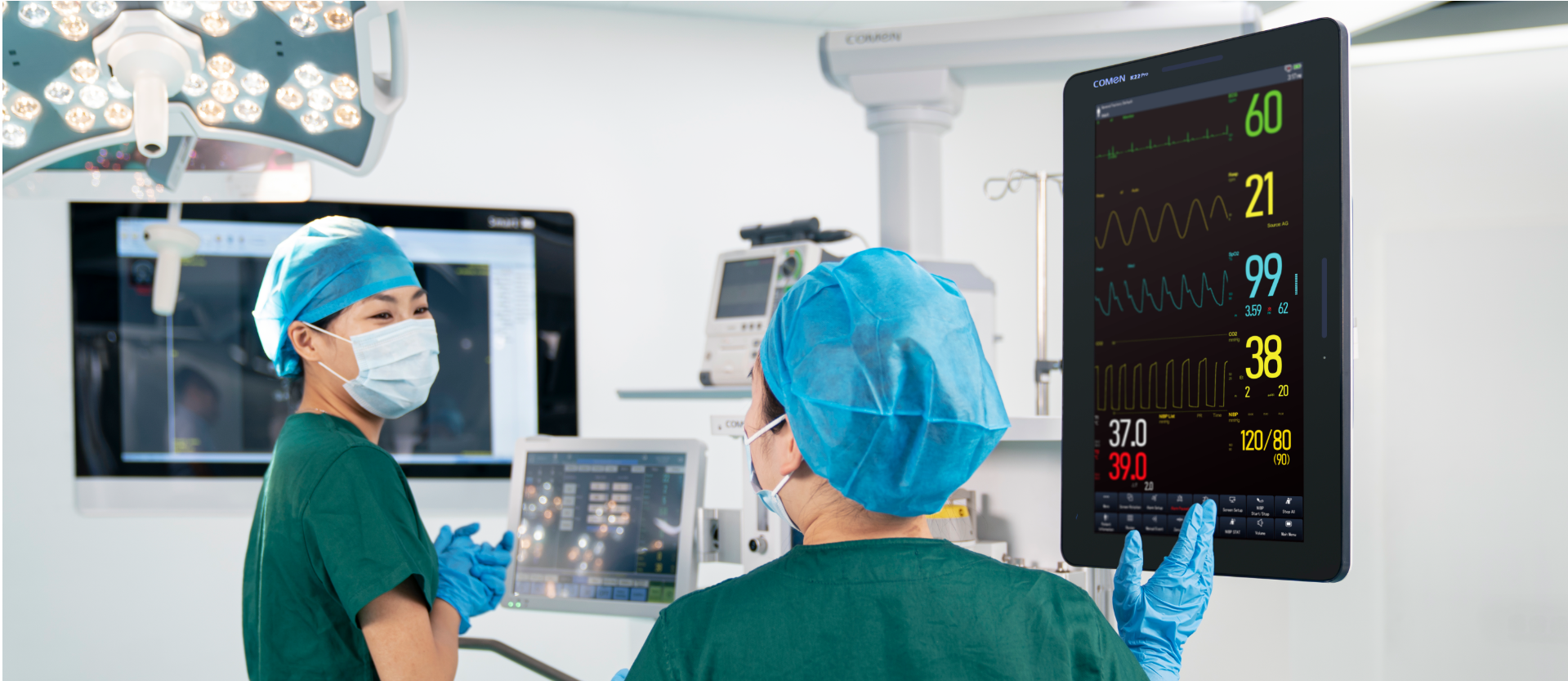
Late-night ward rounds where an anxious nurse points at a flatline, a chart full of noisy spikes and 40% of alarms ignored—how do you act when the data itself feels unreliable? I’ve seen that exact scene more than once, and it made me ask: what if we read the numbers differently?
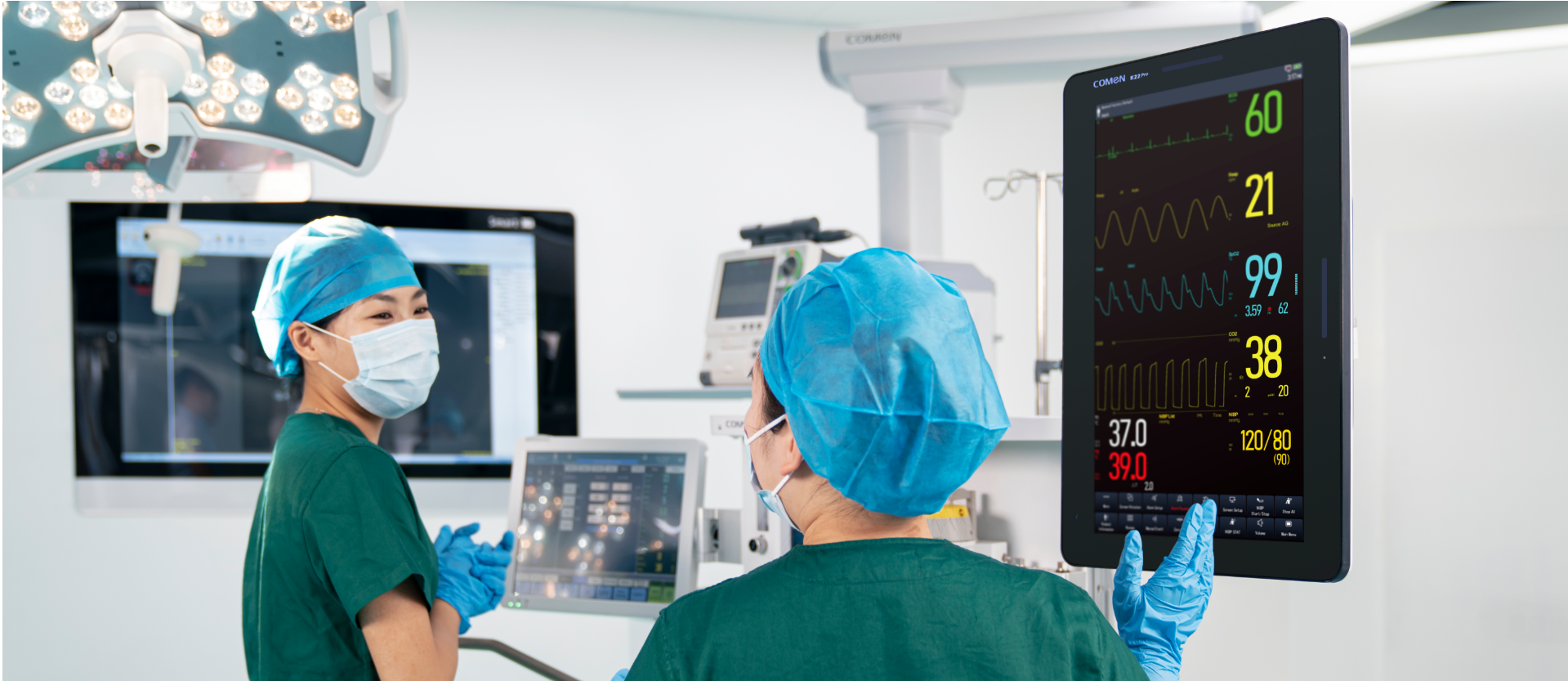
From my years advising hospitals on medical monitoring, I can tell you a patient monitor can be more than a noise-maker; it should be a clear signal in chaos (lekker if it actually helps). I’ll walk through where the real pain lives and why procurement choices matter — then point to cleaner, pragmatic fixes.

Where does the pain live?
I’ve worked in supply and installation for over 15 years, mostly supporting clinics around Cape Town and Johannesburg, and I vividly recall a 2019 job replacing 24 bedside units at a private surgical ward. The old units gave frequent false SpO2 and ECG artifacts; we swapped to a different model and false alarms dropped by roughly 35% within two weeks — staff morale improved, and response times fell. That’s the sort of measurable consequence I talk about when I say the traditional approach is flawed.
Traditional solutions often treat monitors as standalone boxes that only display numbers. They ignore three hidden pains: alarm fatigue, poor waveform fidelity, and difficult integration with hospital IT. Nurses mute alarms. Doctors distrust trends. Biomedical teams wrestle with inconsistent NIBP calibration. I believe those are procurement failures as much as technical ones — buying the cheapest unit, or an unfamiliar brand, creates downstream costs we later scramble to fix. This is not theoretical; I still have the invoice (June 2019) and the alarm log that shows the improvement. Let’s move to what to change next.
From Fixing Faults to Choosing Future-Ready Systems
Now I shift gear to a forward-looking, comparative perspective. We need to evaluate monitors not just on specs but on how they behave under load — how they handle motion, how clear the ECG and SpO2 waveforms remain during transfer, and how NIBP cycles integrate with ward workflows. I recommend we compare models side-by-side in real clinical scenarios, not only on bench tests. In procurement meetings I push for live trials; it’s the only way to see alarm behaviour and staff acceptance.
What’s Next?
Here are three practical metrics I use when advising buyers: 1) False alarm rate reduction — measured over 7–14 days during a live trial; 2) Integration score — how easily the monitor exports HL7 or connects to your patient record; 3) Service footprint — parts availability and local technical support response times. Those metrics let you compare apples with apples. Don’t buy on price alone. Also — check electrode and sensor consumable costs. They add up fast.
We should prioritise devices that improve signal quality (clear ECG traces, reliable SpO2) and reduce nuisance alerts, because those reduce missed events and overtime. I’ve seen better outcomes where procurement was driven by clinical trials rather than catalog specs. Small interruption: get clinicians involved early. Then, insist on measurable acceptance criteria before sign-off.
To close with something actionable: run a two-week trial, log alarm counts, and require vendor training and a spare-parts kit on delivery. That approach changed outcomes for a district hospital I worked with in 2020 — sepsis alerts became more dependable; ward transfers smoother. If you want a place to start, check solutions from COMEN.