
When a study team in Boston flags divergent tumor growth curves, the issue rarely lives in a single file — it lives across design, execution, and analytics. This problem-driven piece starts with that practical reality and walks through concrete fixes used by teams working with cdx model workflows. I frame steps you can apply immediately: tighten endpoints, verify cohort handling, and audit the data lineage so that pharmacokinetics and tumor burden readouts reflect biology rather than process noise.
Common Sources of Misinterpretation
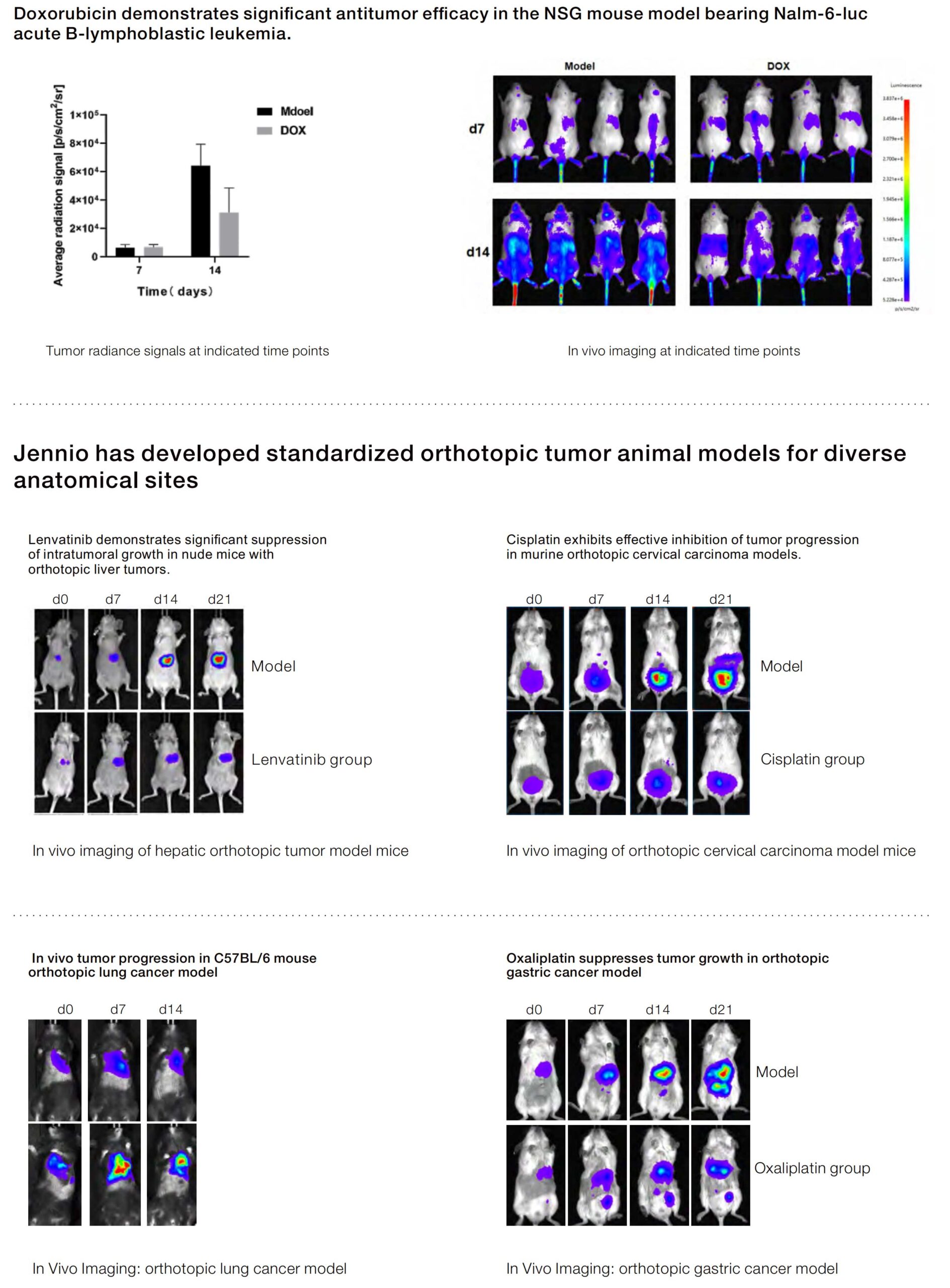
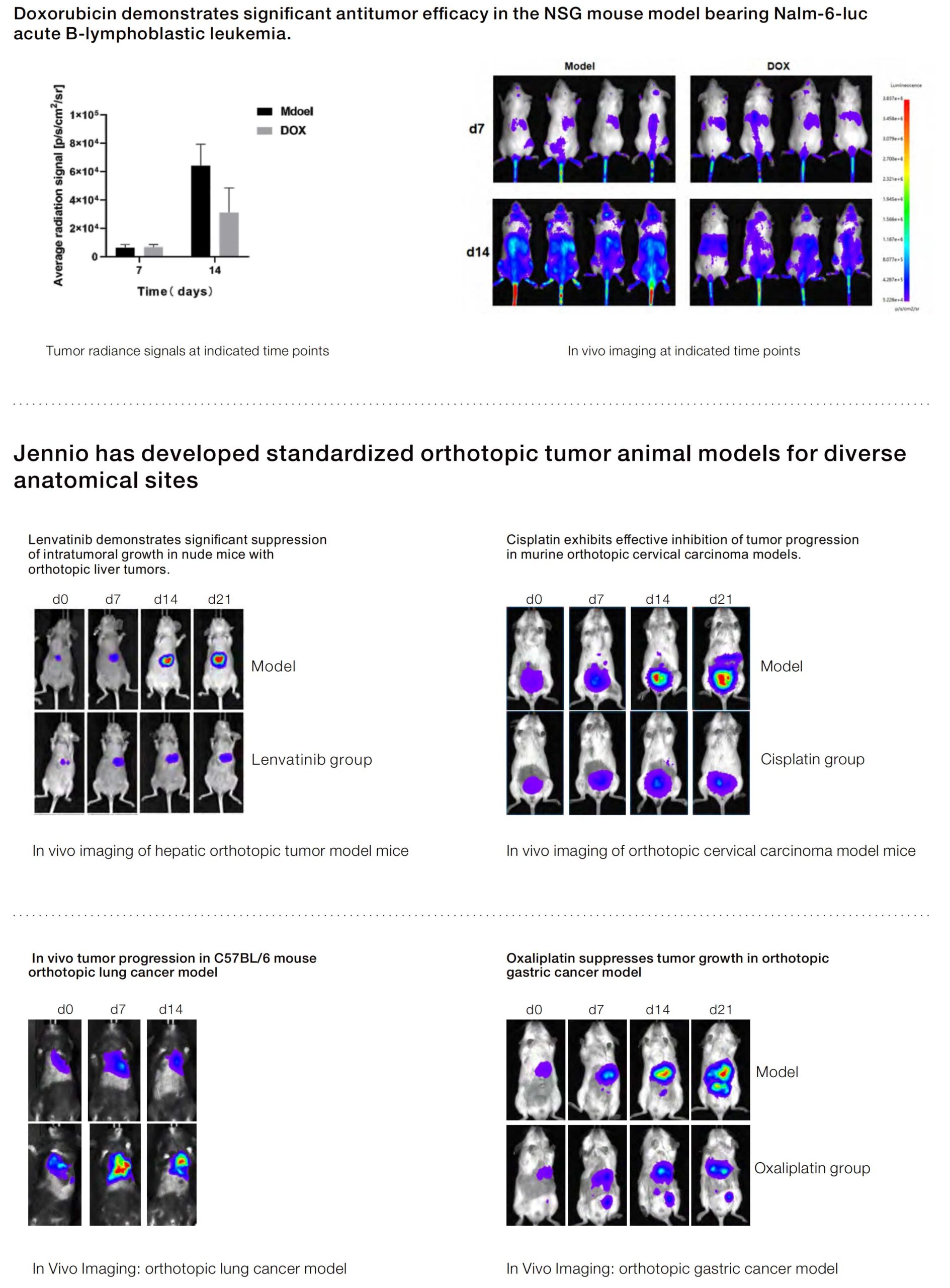
Three recurring faults dominate misread studies: inconsistent endpoint definitions, untracked protocol deviations, and weak randomization. Inconsistent endpoints produce mixed signals when tumor burden is measured by volume in one cohort and by bioluminescence in another. Protocol deviations—such as unscheduled dosing or variable fasting before PK sampling—create batch effects that look like treatment differences. Weak randomization and unblinded scoring amplify observer bias, especially around subjective biomarkers.

Operational Production Teardown
Run a rapid teardown that inspects five layers: study plan, animal handling, assay execution, data capture, and analysis scripts. Start with the protocol: confirm pre-specified endpoints, sampling windows, and statistical power calculations. Next, review handlers’ logs for cohort randomization and enrichment steps. Check assay logs for calibration and drift; ensure PK/PD assays have documented LLOQ and inter-assay CV. For data capture, verify timestamps, unit consistency, and controlled vocabularies. Finally, re-run core analyses from raw files to reproduce aggregated outputs — this is where {main_keyword} and {variation_keyword} belong, embedded as explicit checkpoints in your audit checklist.
Corrective Steps That Work
Apply these targeted fixes in sequence. Standardize endpoint definitions in the protocol and lock them before enrollment. Institute blinded scoring and central image review to remove observer variability. Automate data validation at source: units, allowable ranges, and metadata (operator, instrument ID, calibration lot). Implement version control for analysis scripts so every result traces to a commit. Use a central QC lab for key assays and require documented assay acceptance criteria like limit of quantitation and inter-run precision thresholds.
Small Changes with Big Impact
Minor procedural shifts often yield the largest clarity. Harmonize anesthesia and housing conditions to reduce physiological variability that affects tumor burden. Schedule PK sampling to align with established Tmax windows and state the exact sampling minutes in the protocol. Keep sample handling SOPs that specify centrifugation speed, storage temperature, and maximum freeze-thaw cycles — these technical details cut assay noise quickly. — These adjustments tighten signal without adding headcount.
Three Golden Rules for Evaluation
Adopt three concrete metrics to judge whether an interpretation is reliable. First, reproducibility across independent cohorts: aim for a coefficient of variation under 25% for primary readouts. Second, endpoint sensitivity: require a minimum detectable effect size defined at study design (for example, 30% tumor volume reduction with 80% power). Third, audit trail completeness: every processed datapoint should link to source raw files and an operator log. Use these metrics to accept, reject, or re-run analyses — they create an objective gate for decision-making.
Implementing these rules and the teardown above reduces downstream rework and supports clearer translational decisions; teams that adopt them report fewer protocol amendments and faster go/no-go calls. For groups seeking operational support, validated services focused on harmonizing study execution and data pipelines are available — see practical examples in cdx services.
Jennio Biotech provides end-to-end operational rigor so your in vivo data tells the true story — clear, auditable, and ready for the next development step.