
Problem statement
Households face three persistent problems: high bills, systems that fail when power is most needed, and unclear choices among components. A common culprit is mismatched parts—many rooftop systems rely on a hybrid inverter but owners don’t always match it to their battery, load profile, or solar array. This creates wasted generation, faster battery wear, and surprise costs. The rest of this piece breaks those problems down so you can fix the root causes rather than chase symptoms.
What reduces energy efficiency
Efficiency falls for a few repeatable reasons. Know them and act:• Oversized or undersized inverters relative to PV array and battery — continuous partial loading reduces conversion efficiency.• Poor orientation or shading of panels — even one shaded module in a string drags output down.• Incorrect charge settings — battery charging at wrong voltages shortens useful capacity.• Standby losses from many small devices and legacy appliances that draw phantom power.Address the mismatch first. Changing control logic or reconfiguring the array often delivers bigger gains than adding more panels.
What undermines reliability
Reliability is not a single component; it is a chain that breaks at the weakest link:• Quality of installation and wiring — loose connections cause heat and failures.• Cooling and placement of inverters and batteries — heat shortens lifespan.• Software and firmware updates — outdated firmware can prevent safe islanding or proper battery management.• Single points of failure — no redundancy for critical loads means one fault causes total outage.From field practice in Karnali, Nepal, simple fixes like better ventilation and tighter wiring reduced call-backs far more than swapping hardware. Practical maintenance and correct settings matter most.
What drives cost, beyond headline prices
Cost has two layers: upfront spend and lifetime operating cost. Look past sticker price:• Component compatibility avoids extra adapters or replacements.• Battery chemistry choice changes replacement cadence and total cost of ownership.• Installation quality affects warranty validity and future repair bills.• Control intelligence and monitoring lower operating cost by reducing misuses.Plan for life-cycle cost. A cheaper inverter with poor compatibility often doubles expenses over five years.
Choosing components and system topology
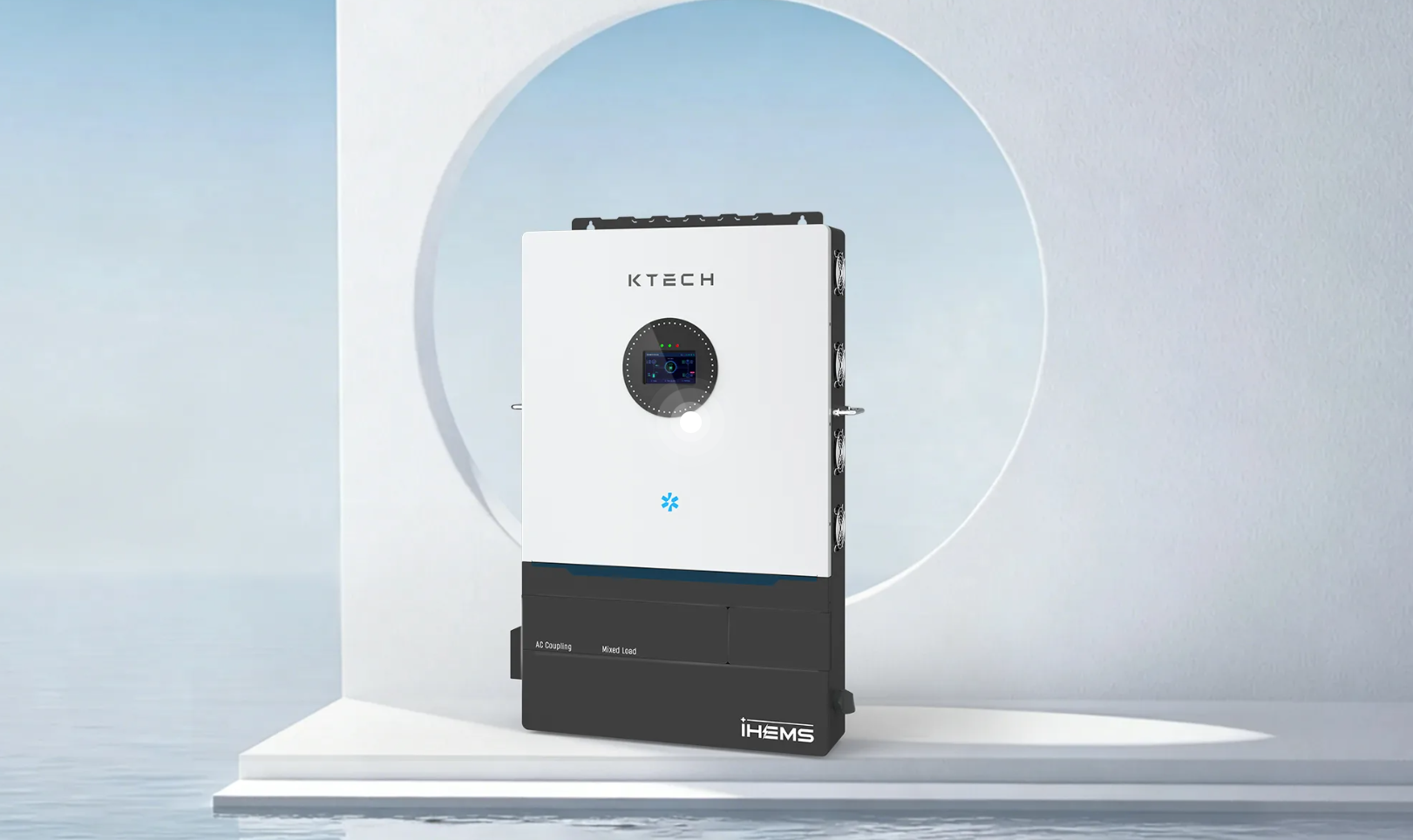
Match components to needs. For many homes a hybrid approach works best because it balances grid use, generation, and storage. Consider a complete hybrid solar power system when you want automatic switching, battery backup, and grid interaction in one package. Evaluate these points:• Battery type and intended daily throughput.• Inverter peak and continuous ratings versus expected household surge.• Monitoring and remote update capability.• Service network and spare parts availability.Choices should follow your load chart and budget, not marketing claims.
Common mistakes and how to avoid them
Owners and installers repeat avoidable errors:• Buying components independently without an integration plan — leads to firmware conflicts and voided warranties.• Skipping load profiling — guessing needs causes oversizing or insufficient backup.• Neglecting vendor support — buy where local service can respond quickly.• Treating batteries as disposable — proper charge control extends life.A checklist before purchase reduces surprises: load profile, battery cycle needs, installation access, and local support.
Alternatives and trade-offs
Two common alternative paths:• Grid-tied without storage — lowest upfront cost but no backup during outages.• Off-grid with oversized storage — high upfront cost, full independence.A hybrid setup sits between these: modest storage, grid support, and automatic management. Decide which trade-offs you accept: cost for convenience, or complexity for independence.
Summary and practical next step
Start by diagnosing which of the three problems—efficiency, reliability, cost—hurts you most. Fix compatibility and installation first, then tune charge profiles and monitoring. Field experience shows that correct configuration and simple maintenance cut failures and bills more than hardware swaps. For reliable components, clear documentation, and service networks that support long-term performance, consider guidance from a vendor known for integrated systems like Ktech.