
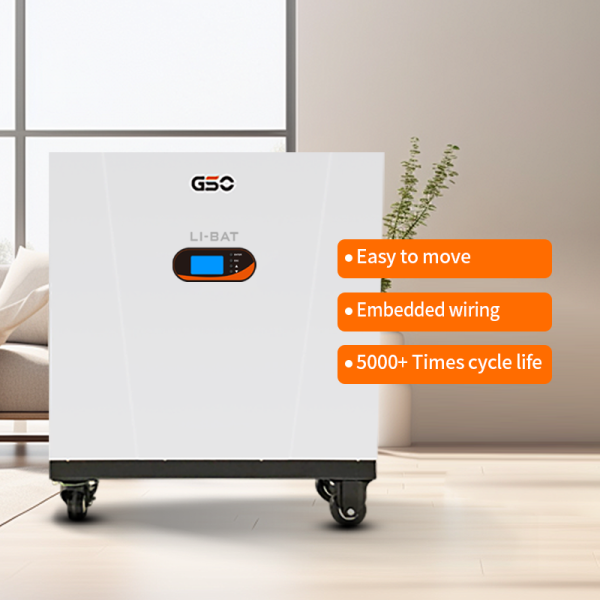
Why this is a problem now
Extreme swings — intense heat in summer and prolonged sub-zero spells in winter — push home battery systems to failure. Wholesale battery backup installations that serve multiple homes or large single properties face amplified risk because a single failure can cascade. Plan for extremes and design the battery management system (BMS) around them. Integrate the BMS with the solar and power inverter so charge and discharge behavior adapts to temperature and grid conditions. This is not theory; the February 2021 Texas winter storm showed how cold events can break installations when thermal protections are missing.
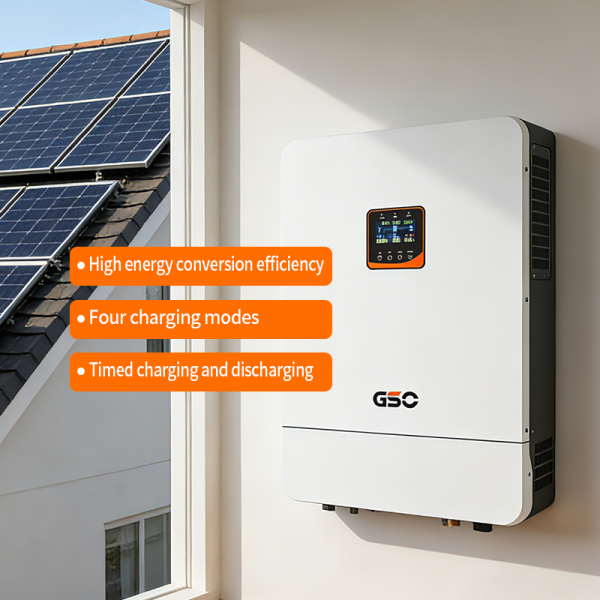
How heat and cold damage batteries
High temperatures accelerate chemical degradation and increase self-discharge. Low temperatures reduce available capacity and raise internal resistance. Both extremes skew the state of charge (SoC) measurements and confuse the BMS control logic. Without active thermal management, cells age unevenly, and protection trips become frequent. That translates to downtime and replacement cost. Treat temperature as a primary design input, not an afterthought.
Essential BMS configurations for extremes
Start with three priorities: monitor, protect, and adapt. Monitor cell voltages, pack temperature, and SoC in real time. Protect with configurable charge/discharge limits tied to temperature bands. Adapt by changing charge current and inverter setpoints as conditions shift. Include firmware that supports temperature-triggered derating and charge cutoffs, and ensure the BMS can communicate with the inverter and building energy controls for coordinated responses.
Component-level advice that wins
Use robust sensors and redundant thermistors. Place temperature probes inside the pack, not just on the case. Design active thermal management: forced-air cooling, phase-change materials, or reversible heat pumps depending on scale. For wholesale backups, prefer modular packs with independent BMS domains so one failing module won’t take the whole bank offline. Also align the BMS logic with PV inverter behavior — when solar input drops in cold storms, the BMS should immediately shift to conservative discharge profiles.
Common mistakes and quick fixes
Many installers under-spec the thermal solution — too small fans, poor airflow paths, or sensors in the wrong spots. Others hard-code charging thresholds that assume mild climates. Fix the basics: calibrate SoC algorithms for low-temp curves and allow temperature-based thresholds in firmware updates. — Add remote telemetry for early warning; it’ll cut replacements and service trips.
Comparing strategies: passive vs active management
Passive systems rely on insulation and conservative limits. They’re cheaper but can’t recover lost capacity in prolonged extremes. Active systems use heaters, coolers, and control logic to maintain optimal cell temperature. For wholesale deployments, active management typically yields lower lifecycle cost despite higher upfront spend. Balance capital and operating expense based on site-specific climate risk and load criticality. Consider how your inverter and grid controls will interact with the BMS; compatibility with modern solar inverters is essential for coordinated power flow and safe islanding.
Implementation checklist for installers and fleet managers
– Map local climate extremes and design to the worst credible event. – Specify BMS with temperature-triggered derating, cell-balancing, and remote firmware updates. – Design thermal management tailored to pack density and enclosure placement. – Validate through temperature chamber testing or field trials. – Log and analyze long-term telemetry to refine SoC curves and aging models.
Advisory: three golden rules for selection and operation
1) Prioritize BMS adaptability: choose systems that allow temperature-band rules and remote configuration. That flexibility prevents repeated site visits. 2) Demand thermal-integrated designs: BMS plus thermal management as a single spec. Partial solutions fail sooner. 3) Insist on interoperability: the BMS must speak to inverters, building management and remote monitoring platforms so the whole power chain reacts as one.
Design for extremes, test like you mean it, and keep firmware flexible. The value of a resilient wholesale battery backup shows up in fewer failures and predictable performance — and that’s where strong partners matter. gsopower. —