
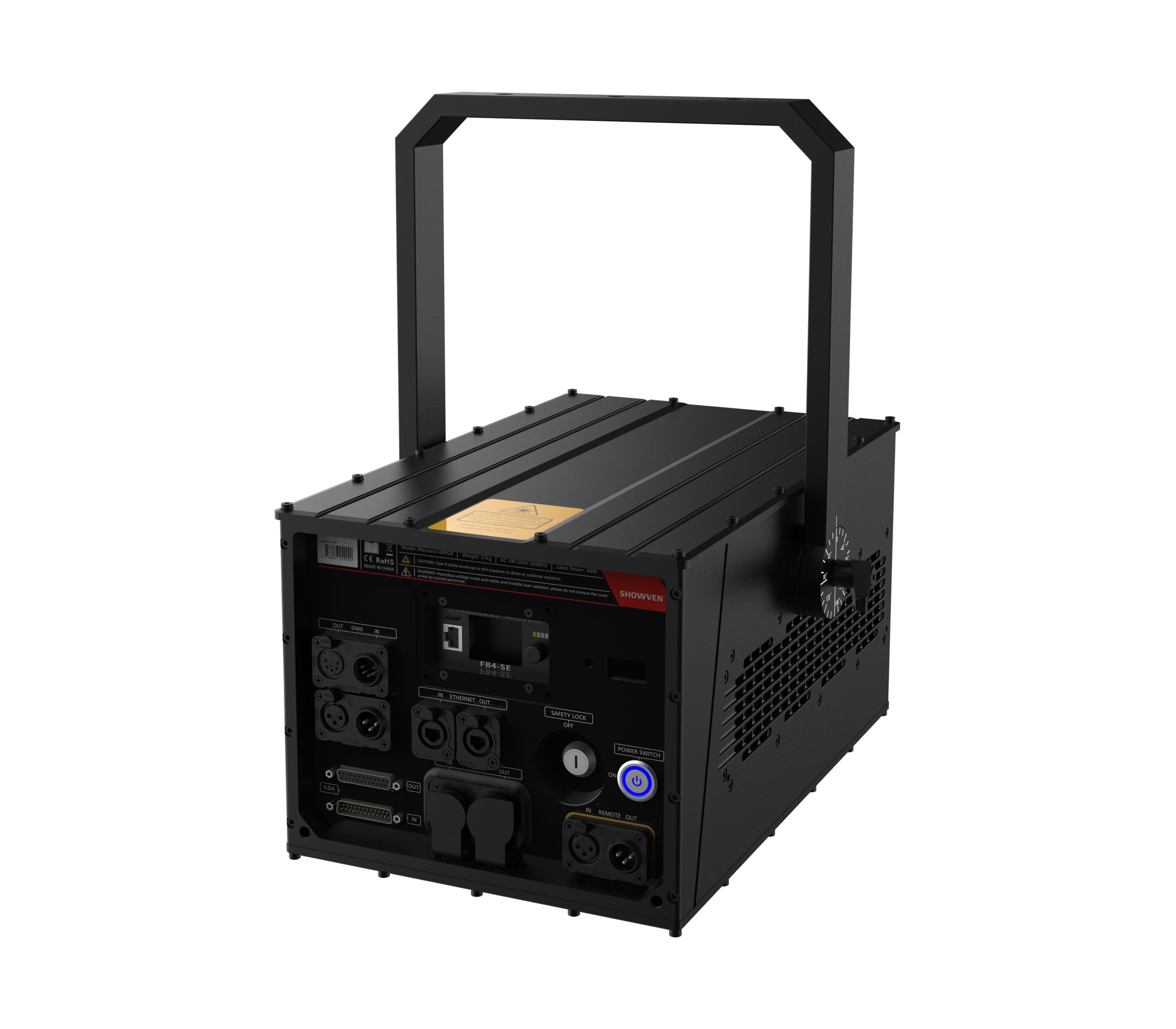
A Night in the Rain: Can Your Beams Survive?
The weather will test your show harder than any crowd. Festival laser lights still need to look like magic—even when the sky opens and the wind shifts by the minute. Picture a seaside festival where fog rolls in, drizzle turns to sudden downpour, and puddles creep toward truss lines. In a week-long run, you might see three wet nights, power flickers, and heavy dew by dawn. Field logs from touring crews often show more downtime from moisture than from software bugs, which is wild in our digital era. So, when the storm hits and the lasers must cut through rain, which part breaks first—and why?
This is a science-fiction stage in the best sense: machines talk, sensors listen, and boxes breathe (or should). Yet seals, vents, and optics still obey physics. Moisture wicks along cables. Thermal shock micro-cracks a gasket. A cheap fan pulls mist into a beam path. The fix is not only “get a higher IP rating.” It is planning for pressure changes, salt spray, and late-night resets. Here’s the challenge that matters: how can you keep the light pure while the weather gets weird? Let’s move from hunches to hard edges—then build a playbook you can use on site.
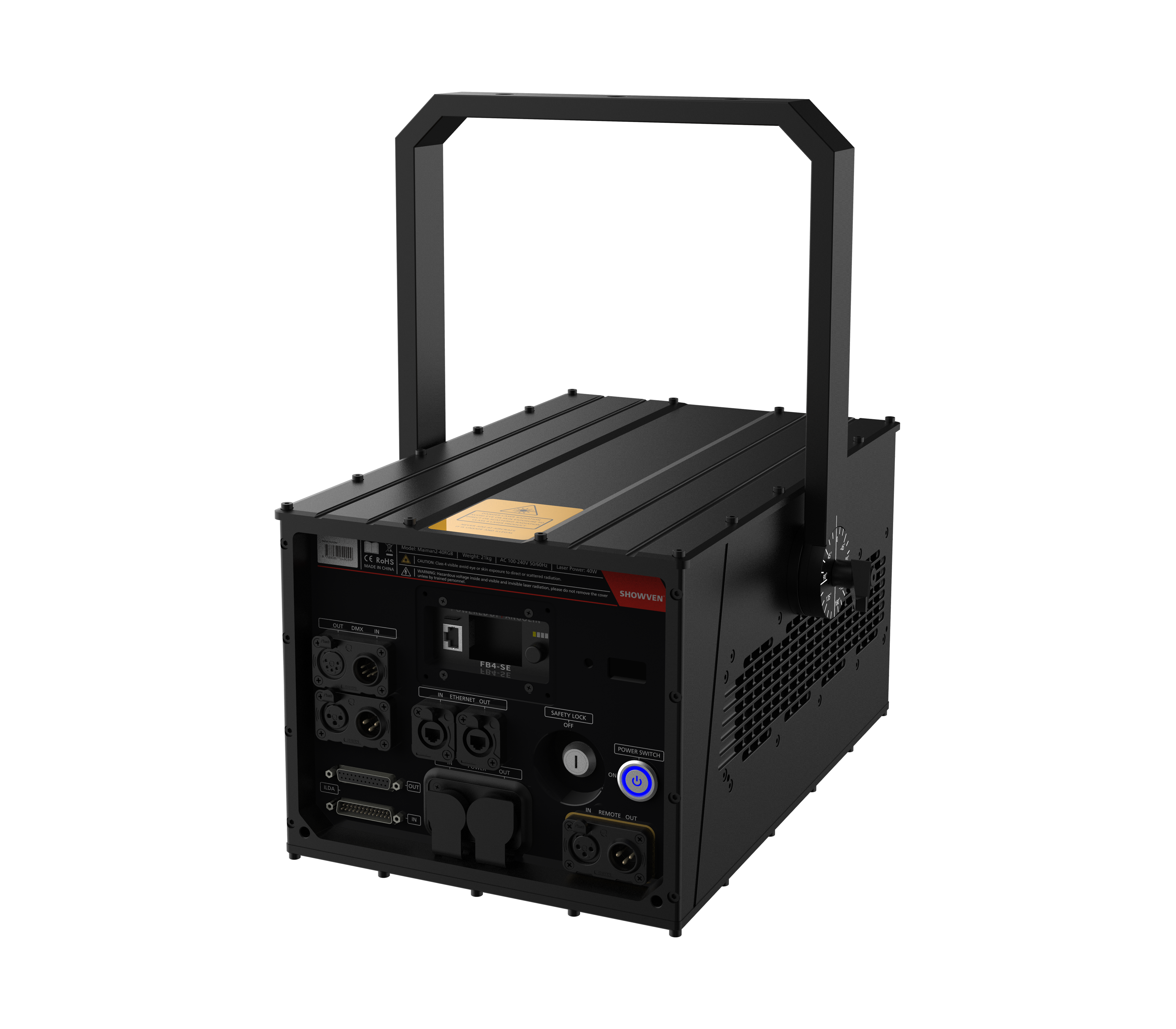
Hidden Leaks: The Real Meaning of Waterproofing
What fails first?
Let’s get technical. Real laser light waterproof performance isn’t just about an IP sticker. It’s a system: enclosure, cable glands, vents, optics, and the electronics stack. A unit with IP67 ingress rating can still fog up if its pressure equalization valve clogs. Conformal coating can protect PCBs, but a wet connector may still corrode power converters and trip protection. Galvo scanners drift when condensation cools bearings. Thermal management shifts, and then PWM drivers throttle output to avoid overcurrent. Look, it’s simpler than you think—and also harder: water sneaks in, or water forms inside. Both happen.
Traditional fixes focus on the box, not the flow. Crews tape seams and bag the head. That traps humidity. The lens warms, air expands, and when it cools, a vacuum pulls in damp night air through the tiniest path. Desiccant packs help for a day, not a season—funny how that works, right? Real pain points hide in plain sight: cable strain relief that wicks rain, an O-ring fatigued by UV, a vent without hydrophobic membrane, or EMI shielding that cuts airflow around a hot driver. The result is optical haze, galvanic corrosion, and surprise reboots at peak crowd energy. That’s not a vibe.
Beyond IP Ratings: Principles for Storm‑Proof Shows
What’s Next
Forward-looking rigs apply new principles rather than more tape. Start with breathable barriers: ePTFE membranes that let pressure equalize while blocking liquid water. Add active dehumidification with tiny heat-pulse cycles near the optical cavity, so dew can’t nucleate on the lens. Use conformal coating on control boards plus galvanic isolation on I/O to protect power converters from wet surges. Smart self-checks can run on edge computing nodes inside the housing; they log humidity trends, flag vent blockage, and auto-derate output before fog forms. A modern waterproof laser light projector doesn’t just resist rain. It anticipates it—and shifts its thermal plan to stay clean and bright.
Compare that to legacy practice: bulkier seals, more fans, and hope. The new stack is leaner and more predictable. Hydrophobic nano-coatings keep lenses clear without constant wipes. Pressure valves are shielded from splash paths. Cable glands include drip loops and compression fittings that stop capillary creep. Surge protection plus line filtering stabilizes drivers when a wet stage causes voltage dips. We learned that “sealed” is not “stable”; stability comes from managing pressure, temperature, and moisture together, in real time. The upshot: clearer beams, fewer resets, and longer service intervals—plus calmer ops at front-of-house. Small sensors, big difference.
To wrap the insights and make them useful, use an advisory lens: 1) Moisture dynamics: ask for humidity telemetry, vent specs, and dew-mitigation strategy—not just an IP code. 2) Optics resilience: verify membrane type, lens coating, and thermal map under rain spray, not only in a lab dry run. 3) Power integrity: inspect isolation, surge handling, and driver derating rules during wet grid events. These are measurable and comparable across vendors. Do this, and the night sky keeps its promise. And yes, humans still run the show—machines just help us see farther. For more on practical engineering choices across models, see Showven Laser.