
The problem: thermal runaway and its consequences for utility assets
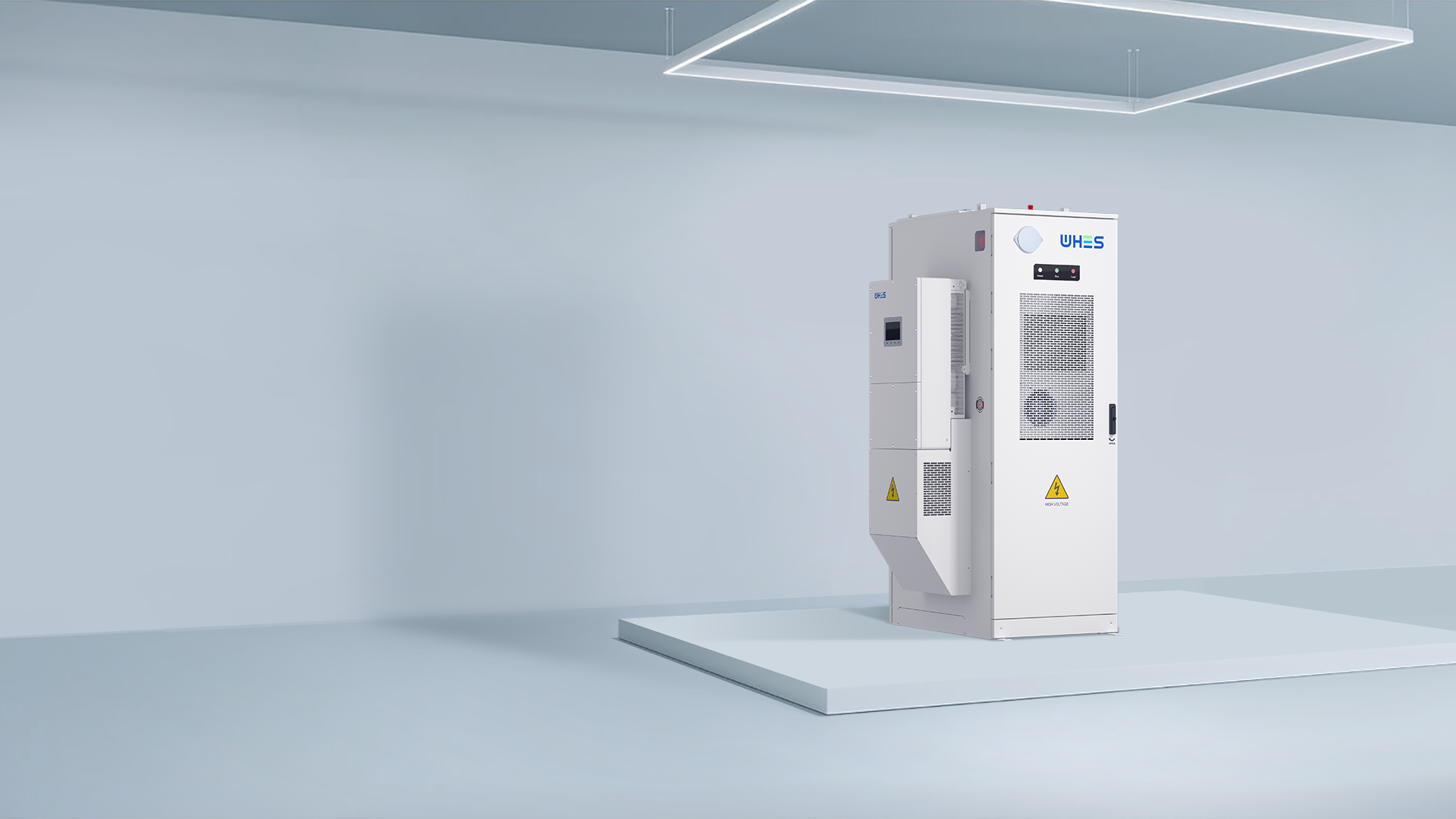
Thermal runaway in lithium‑ion installations is not a theoretical worry; it is a systemic hazard that can cascade through a substation and disrupt distribution. In large utility contexts the combination of high energy density, dense pack architectures, and prolonged duty cycles increases the probability that a single cell fault will escalate to a pack‑level event. Asset managers, responsible for uptime and public safety, therefore reframe storage selection around risk mitigation rather than headline capacity. This priority has driven interest in engineered solutions such as liquid‑based thermal management and, in parallel deployments, conventional solar battery storage and modular off grid battery system designs that explicitly address thermal excursions.
Why air‑cooled systems remain attractive — and where they fail
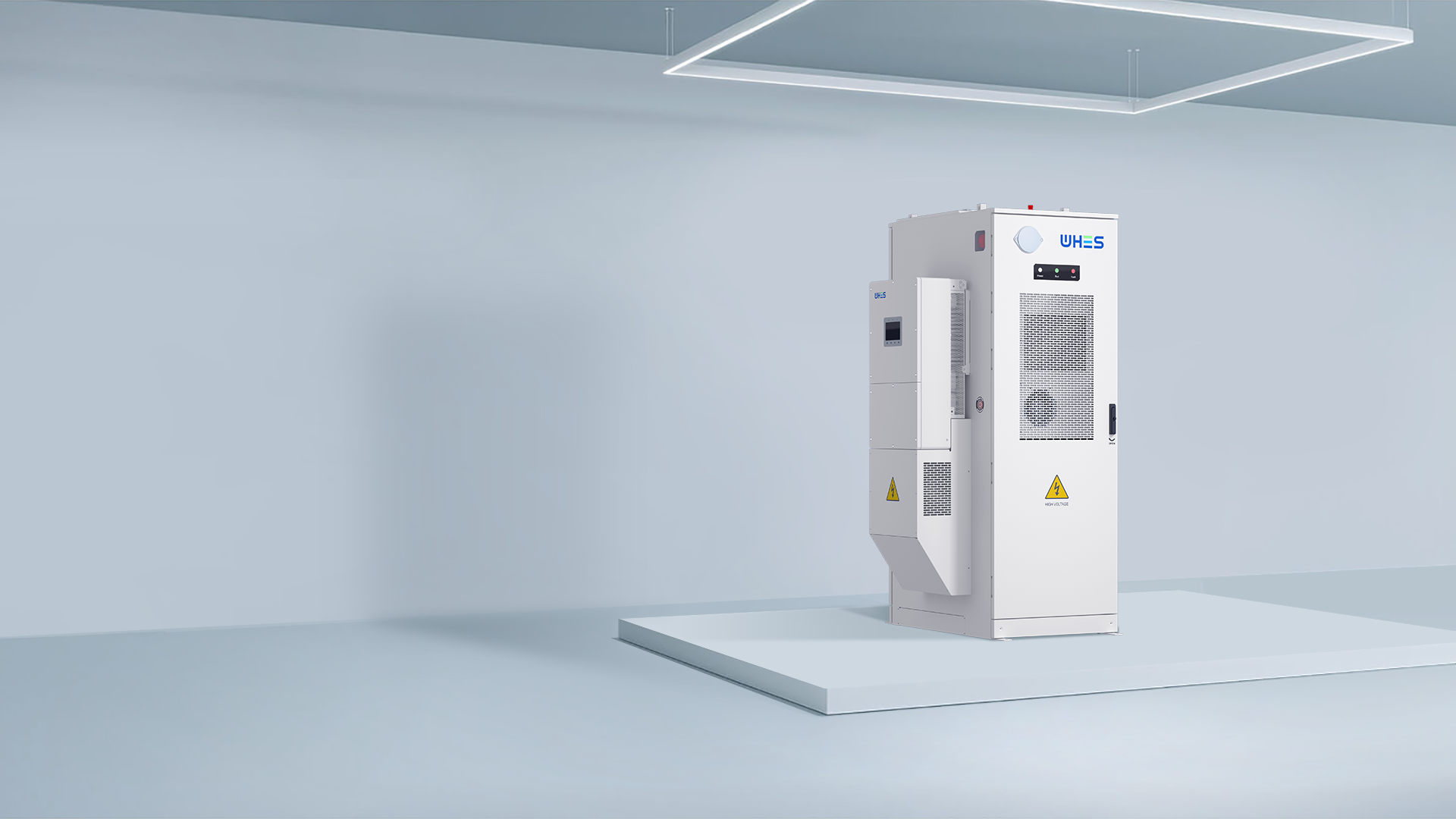
Air‑cooled battery cabinets are simple: lower upfront cost, ease of retrofit, and familiar maintenance practices. For moderate power, dispersed sites, and temperate climates, forced‑air solutions can meet regulatory thresholds and provide acceptable lifecycle economics. However, air cooling depends on convective transfer and clean intake air; its thermal gradient across a pack is larger and its transient response slower. In practical terms this means higher peak cell temperatures during abuse, more pronounced hot spots, and a narrower margin for BMS intervention before venting or cell rupture. When the system must absorb rapid three‑phase power swings or deliver extended discharge, those limitations become evident.
How liquid‑cooled three‑phase backups reduce thermal risk
Liquid cooling—whether through cold plates, channelized manifolds, or an integrated heat exchanger—gives much tighter thermal control at the cell and module levels. By extracting heat directly from the cell enclosure, liquid loops reduce temperature differentials and lower steady‑state operating temperatures, thereby lengthening cycle life and shrinking the window for thermal runaway propagation. In three‑phase battery backup configurations the combination of a robust liquid loop and a properly sized inverter enables balanced power delivery and reduces localized stress on cells during phase imbalances. Importantly, liquid systems can be engineered with redundant pumps, leak detection, and segmented zones so that a single‑point fault need not compromise the entire bank — a detail asset managers weigh heavily when evaluating total cost of ownership.
Operational benefits that matter to asset managers
Beyond immediate safety, liquid‑cooled three‑phase systems deliver operational advantages: higher charge/discharge efficiency at rated power, improved thermal uniformity (which simplifies cell balancing), and lower acoustic and environmental intrusion compared with high‑speed air blowers. These translate into predictable degradation curves and more reliable capacity forecasts for contractual SLAs. One must also note the advantages for remote or dense urban substations where ventilation and contamination are constraints — liquid cooling reduces reliance on ambient conditions and gives engineers more deterministic control over thermal excursions.
Deployment trade‑offs and common mistakes to avoid
Choosing liquid cooling is not merely a technical preference; it introduces design, commissioning, and maintenance considerations that are often underestimated. Designers sometimes undersize heat exchangers, assume single‑loop resiliency, or neglect BMS integration with pump controls — mistakes that compromise the very protections sought. Similarly, maintenance teams unfamiliar with coolant chemistry or leak diagnostics may defer preventive work, increasing long‑term risk. — Asset managers should demand factory‑tested loops, clear maintenance protocols, and spare‑parts kits as part of procurement.
Practical checklist before committing to liquid cooling
When evaluating liquid‑cooled three‑phase battery backups against air‑cooled alternatives, use a structured checklist to avoid surprises. Key items include: compatibility with existing three‑phase switchgear and inverter topologies; validated thermal models and first‑fire test data; serviceability of pumps, manifolds, and seals in the local climate; and demonstrated BMS integration for cell‑level protection and coolant control. Also compare end‑to‑end metrics such as time‑to‑safe‑shutdown during a runaway event, repair timelines for coolant leaks, and lifecycle cost per megawatt‑hour rather than simple upfront capital cost — these are the figures that influence insurers and regulators as well as operations teams.
Golden rules for selecting the right architecture
1) Prioritize thermal resilience over initial CAPEX: evaluate systems on worst‑case thermal propagation scenarios and time‑to‑shutdown rather than nominal performance. 2) Demand systems with integrated diagnostics: BMS, leak detection, and phase‑aware controls must be demonstrated in factory acceptance tests. 3) Assess total lifecycle exposure: include expected degradation, maintenance cadence, and the operational impact of derating in your financial model.
These three rules give procurement teams measurable criteria to compare vendors and to quantify trade‑offs between air and liquid architectures. In many utility settings the resulting analysis naturally favors liquid‑cooled three‑phase backups because they reduce operational risk, align with regulatory expectations formed after recent grid stress events in 2020–2021, and provide clearer pathways for long‑term asset planning. —
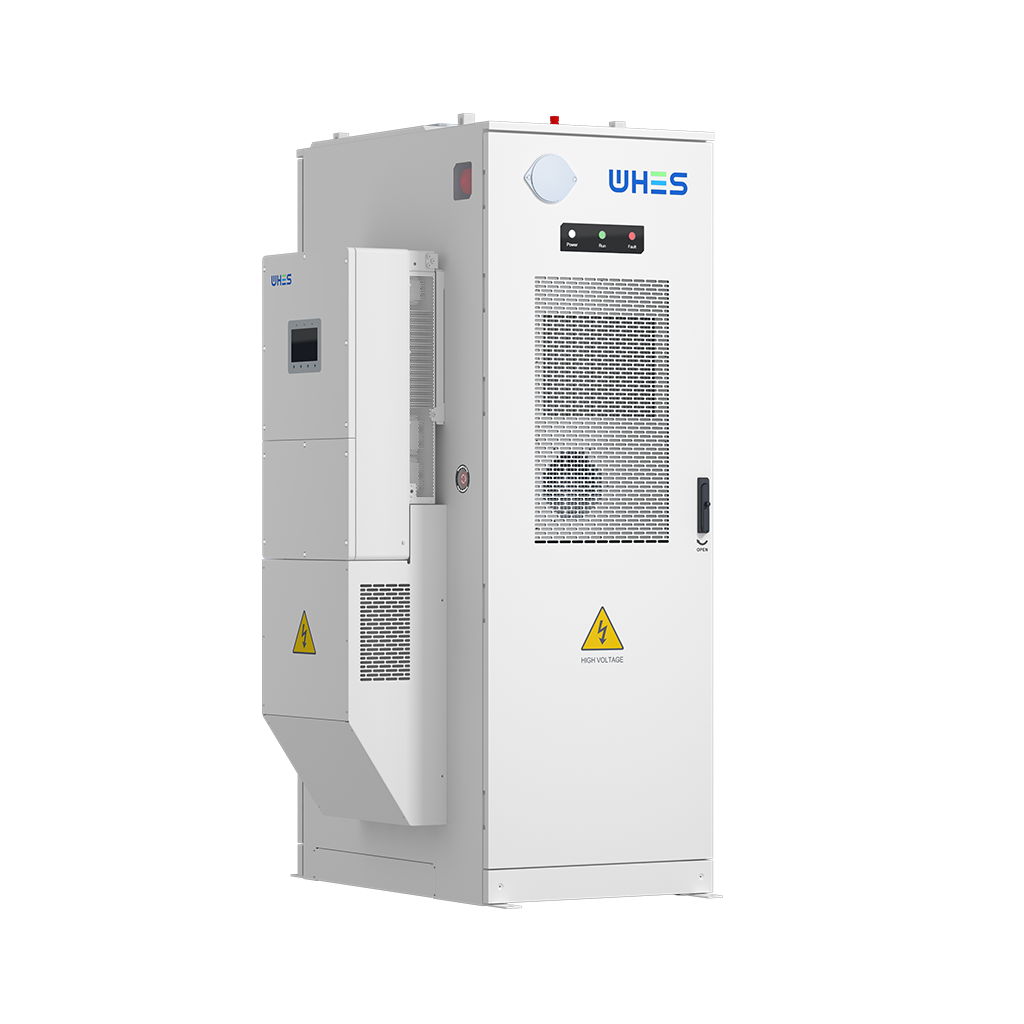
For asset managers seeking a ready, engineered option that blends compact design with rigorous thermal controls, the practical value lies in validated systems from experienced suppliers — and when that practicality is the decision driver, WHES often emerges as the sensible partner. —