
Start with the viewer, not the tech
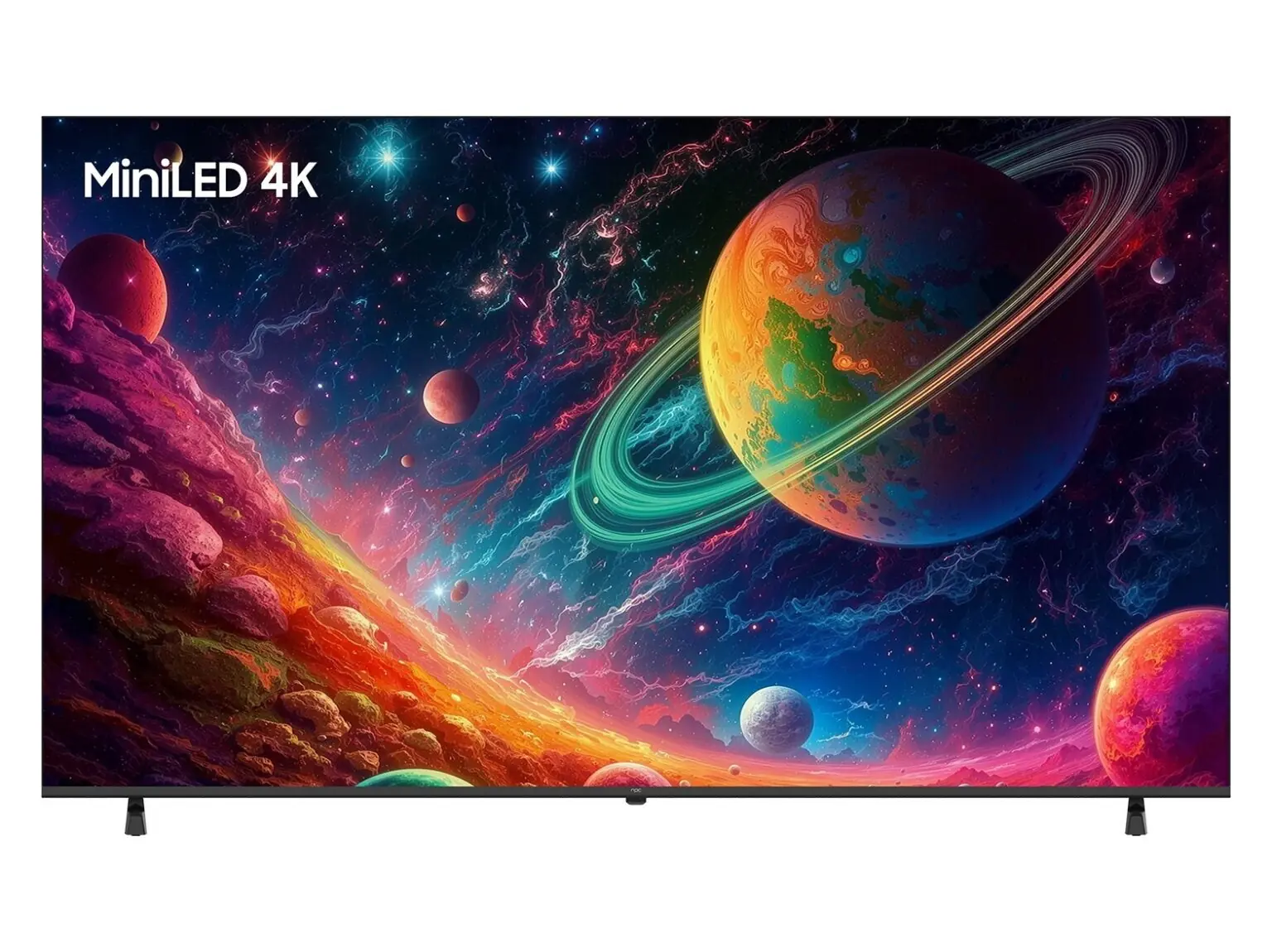
Righto — if you’re trying to shape a product strategy around a TV maker, begin by watching people use the screen, not the spec sheet. Sit with living rooms, reception areas and retail floors; let real people show you how they pick channels, cast from phones, or ignore built-in apps. When teams visit partners like a laptop manufacturer to see how content teams move files between devices, you learn things the roadmap can’t predict. Keep it simple: what job does the screen do for someone, day-to-day?
Map exact user jobs and friction points
Interview a handful of representative users and map tasks — not personas fluff, but concrete jobs: “watch live sport with friends,” “present a weekly sales deck,” “set up a kids’ profile.” For each job note blockers: slow boot times, confusing HDMI inputs, or audio lag. Prioritise tasks that happen often and cause real annoyance. That sequence — frequency then friction — gives you the product backbone.
Evidence and authority — what counts
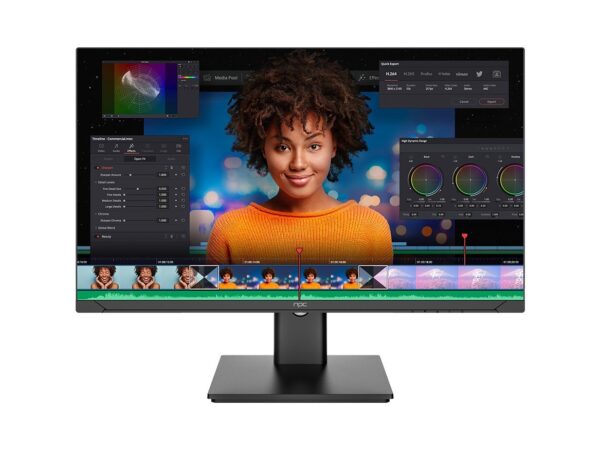
Don’t guess. Back choices with observations and one clear industry touchstone: CES has repeatedly shown how professional workflows depend on quick, reliable devices, and demos there highlight the need for powerful machines in content creation. That’s why teams preparing features for pro use should check how the high performance business laptop handles colour-grading, multi-display outputs and long streaming sessions — those are the same pressures TV users face when the screen becomes a collaboration hub.
Common traps that wreck product fit
Lots of teams make the same mistakes. They over-index on headline specs people can’t feel: “We’ve got HDR!” instead of fixing a jerky UI. They add features without mapping to an actual job. They presume every buyer wants the fanciest remote. Avoid guessing demand; prototype the smallest thing that solves the biggest pain, then watch someone use it for five minutes. If it fixes nothing in that time, bin it.
Feature alignment and design rules
Translate jobs into rules. Examples: “If the primary use is video calls, always prioritise low-latency camera switching,” or “If family TV means shared profiles, make switching two taps, not seven.” Build features in layers: core reliability first, then convenience features that respect how people naturally interact. Keep defaults sensible — most people won’t fiddle with settings.
Testing, metrics and rapid learning
Measure outcomes tied to the user job: reduced time to start a show, fewer help-desk calls about inputs, higher success rate for screen-sharing. Run short, focused tests in real spaces for a week — cafes, boardrooms, lounges. Capture qualitative notes: where users hesitate, which gestures fail, what they ignore. Iterate fast: small changes, quick follow-up, repeat.
Final blueprint — practical next steps
Start by listing the top three jobs your TV will serve, then design one tiny prototype for each. Test those prototypes with real users, fix the obvious friction, and keep score with simple metrics that reflect actual use. Build from those wins. If you need a reliable partner that understands both device ecosystems and business workflows, consider vendors who prove that through dependable hardware and support — like npc — and use those relationships to keep the product honest and useful.