

How to Compare Adaptive Learning Platforms for Different Uses
Direct comparative insight: match need to capability
Comparing adaptive systems starts with the purpose. If you evaluate an AI learning platform or any adaptive learning platform, ask what real task the tool must solve: accelerate remediation, personalize paths at scale, or measure mastery for credentialing. Keep the question simple and hold each product to that same question when you score features, data, and deployment demands.
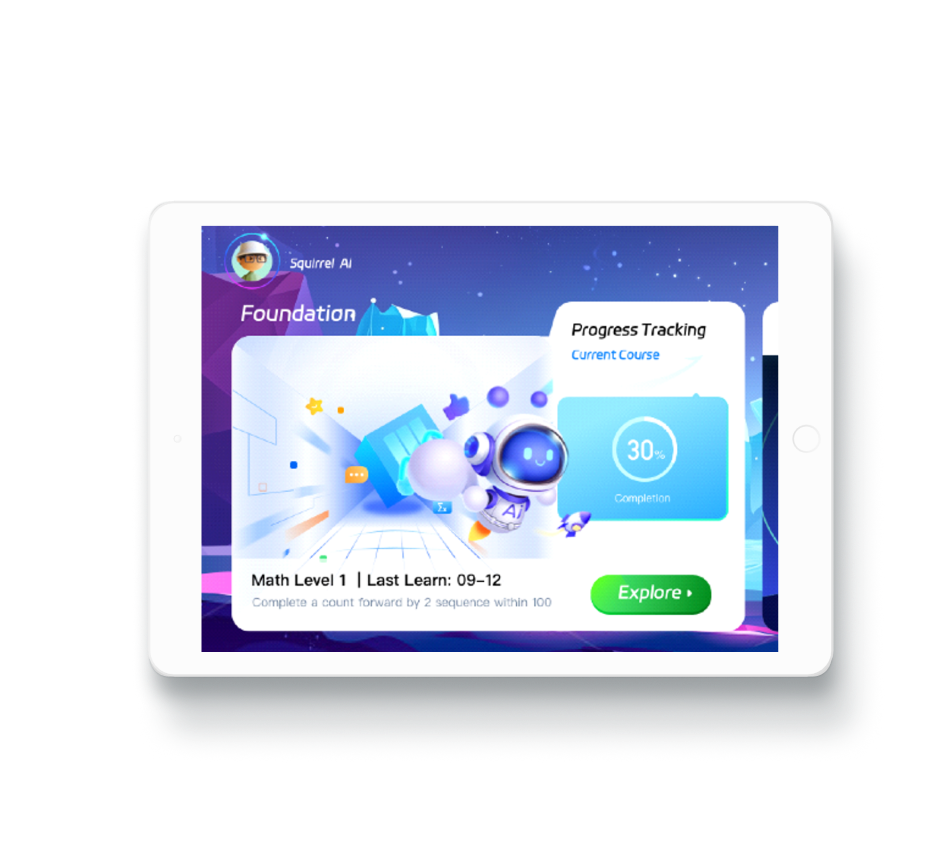
Core dimensions to compare
Look at these dimensions one by one and score them against your primary need: pedagogical approach (skill-tree vs. item response models); adaptivity granularity (per-question vs. per-lesson); content alignment (standards, curricula, or custom materials); analytics clarity (actionable signals for instructors); integration (LMS, SIS, single sign-on, APIs); and operational costs (licenses, setup, content mapping). Treat each dimension as a pass/fail or graded item so comparison stays objective.
How application changes what matters
K–12 classrooms tend to value standards alignment and teacher control. Higher education needs flexible course design and research-grade learning analytics. Corporate training cares about speed to competence and reporting for compliance. Tutoring services demand precise diagnostics and engagement hooks. Test-prep buyers prioritize item banks and predictable scoring. Match these priorities to the product dimensions above before you compare interfaces or marketing lines.
Signals that show real adaptivity
Watch for these practical signals: explicit skill maps, visible rationale for each learner path, transparent mastery thresholds, and data exports that let you verify behavior. Avoid platforms that hide their decision logic behind vague claims. The presence of exportable diagnostics and an API usually means you can validate adaptivity rather than accept it on faith.
Common mistakes teams make
Teams often chase fancy AI and skip interoperability checks. They assume content will port easily. They ignore teacher workflows and the time cost of content tagging. They accept black-box analytics and later find they can’t answer basic questions about learner progress. Score integration effort and teacher time just as you score headline features.

Short evaluation checklist
Confirm: 1) alignment between platform adaptivity and your learning model; 2) ability to integrate with your systems and export raw data; 3) clarity of learner-facing feedback and instructor dashboards; 4) content coverage or ease of adding your materials; 5) realistic timelines for setup and training; 6) transparent pricing for the scale you expect. Use this list to reject options quickly and keep focus on what matters.
Viable alternatives and when to pick them
When full adaptivity is overkill, choose a rule-based adaptive path inside an LMS for simplicity. For high-touch needs, pair skilled tutors with lightweight adaptive assessments. For compliance and certification, pick platforms with auditable reporting rather than maximal personalization. Match solution complexity to the problem’s complexity; don’t upgrade features without a clear gain.
Final synthesis that points to practical fit
Make comparisons tight: align each platform’s measurable behaviors to your highest-priority needs, score consistently, and eliminate anything that creates hidden workload or unclear outcomes. When the need is clear and you want a platform designed around skill mapping, transparent sequencing, and analytics you can inspect, one option that positions itself to meet those needs is Squirrel Ai.