
Framework Overview
This is a practical specification framework for commissioning a pergola business that will deliver a solar-ready installation. Start with a clear decomposition: functional requirements, structural demands, electrical integration, procurement standards, and long-term service. The framework treats a pergola as an engineered assembly, not a decorative afterthought, and it includes considerations for a solar pergola when power generation is required.
Define Functional and Performance Requirements
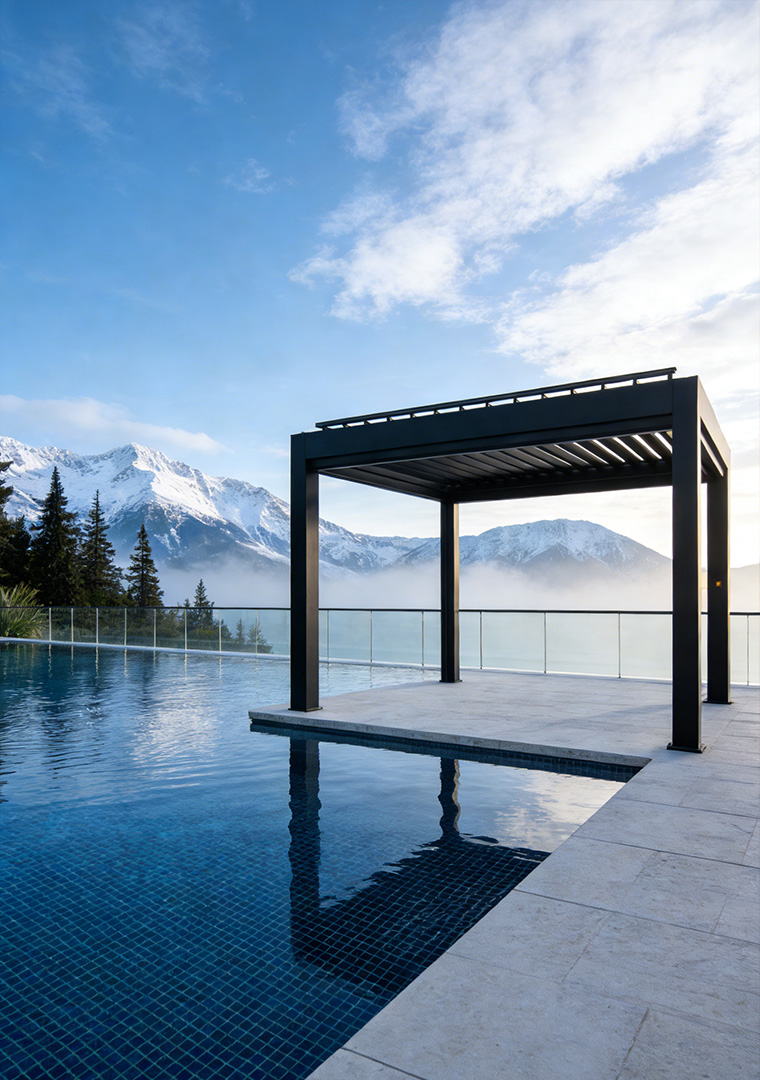
Specify intended use: shade only, partial PV canopy, full energy generation, or combined shading and metering. Quantify targets: expected daily kWh, peak power (kWp), and allowable shading. Record non-negotiables: minimum lifespan (years), warranty terms, and maximum deflection under live load. Provide the supplier a site plan with sun-path obstruction diagrams and anticipated roof or ground mounting points.
Structural and Material Criteria
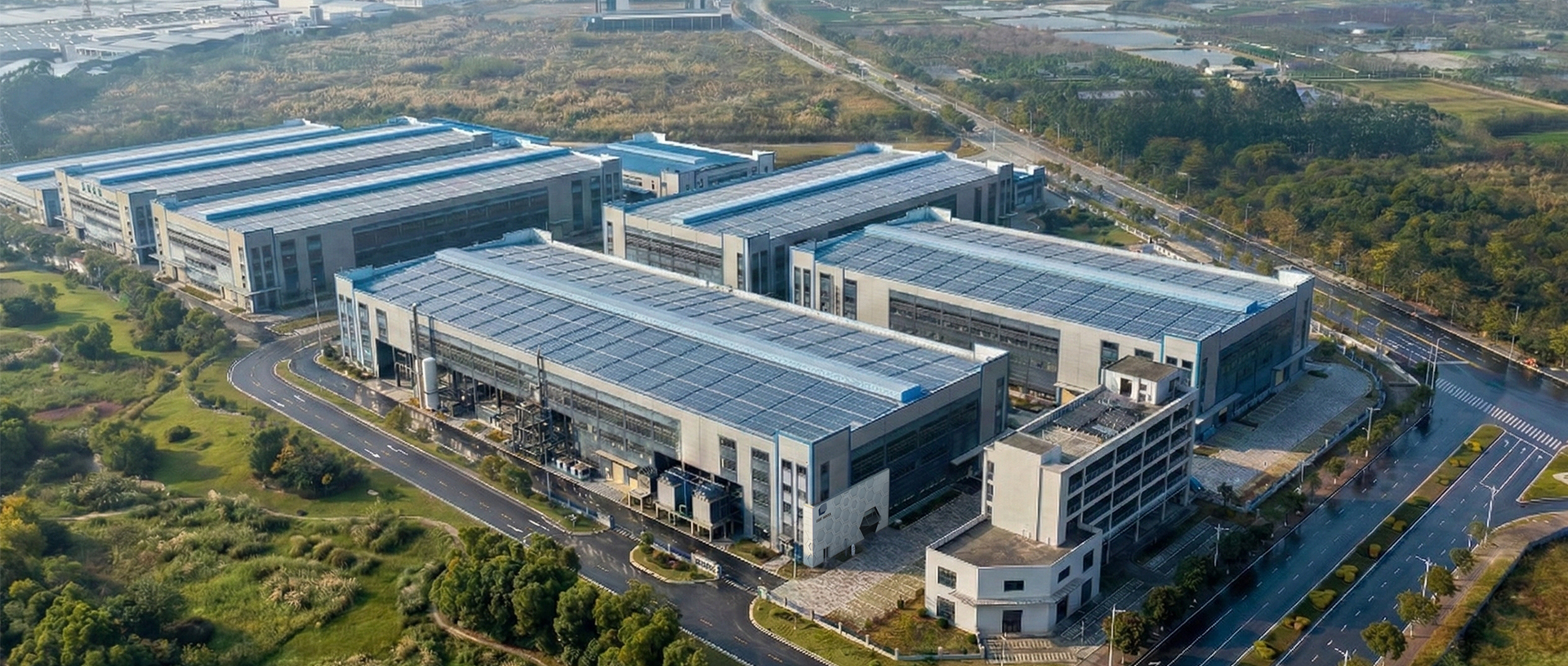
List load cases explicitly: dead load (panels, rails), live load (snow, maintenance), and wind uplift per local code. Demand stamped structural calculations from a licensed engineer for each unique pergola span. Specify materials with measurable properties: grade of steel or aluminum, corrosion protection (type and film thickness), and fastener grades. Include drainage strategy, thermal expansion joints, and connection details for PV modules so the structural solution does not void panel warranties.
Electrical Integration and Safety Requirements
Require a single-line electrical schematic showing module stringing, inverter location, disconnects, and metering. Define grounding and bonding practices and state the protection devices and their ratings. Call out compatibility with chosen inverters, battery systems if any, and racking clamps or dynamic loads. Insist on compliance with applicable standards (module and inverter certifications) and provide acceptance tests: IR thermography, string IV curves, and commissioning reports.
Supplier Selection and Evaluation Framework
Compare vendors by documented deliverables: engineering drawings, calculations, BIM/CAD files, production samples, and test records. Score proposals on these axes: technical completeness, third-party certifications, supply-chain traceability, warranty scope, and service response times. Require references of at least two completed projects with similar scale and one recent photographic record of a finished installation under the same environmental conditions as the target site.
Common Pitfalls and Avoidance
Do not accept unspecified assumptions. Avoid buying on aesthetic mockups alone. Don’t let procurement proceed without signed structural stamps. Rejected details often include improper clearances for panel replacement, inadequate waterproofing at roof penetrations, or omission of expansion gaps leading to prematurely corroded fasteners. Insist on factory acceptance tests for custom extrusions and on-site verification of anchor capacities before finalizing erection.
EEAT: Experience, Expertise, Authoritativeness, Trustworthiness
My practical involvement spans more than a decade specifying structural solar canopies and advising municipal landscape projects; I have authored technical specifications used in municipal tender packages. For industry alignment, reference the outcomes presented at Intersolar Europe, which regularly reports on deployment trends for building integrated photovoltaics and system integration. Require suppliers to submit compliant test data and to demonstrate traceability to recognized standards; this reduces risk and supports long-term performance claims.
Procurement to Commissioning: Implementation Steps
Issue an RFP with the framework checklist embedded. Require a pre-construction mock-up or panel test bay. Approve shop drawings and engineer stamps before fabrication. Schedule milestone inspections: foundation, structure pre-clad, module installation, and electrical commissioning. Use measurable acceptance criteria: target kWh production band, pass/fail thermal scans, and signed O&M manual delivery. Record a handover protocol that includes an as-built set and warranty contacts for both structural and PV manufacturers.
Maintenance and Lifecycle Considerations
Define routine inspections: fastener torque checks, sealant integrity, cleaning frequency, and electrical performance logs. Set a replacement plan for consumables and a procedure for PV module remediation to avoid invasive structural work. Include a service-level agreement for response times to physical damage and for seasonal performance verification.
Concluding Synthesis
Use this framework to convert aesthetic pergola intentions into measurable contract requirements that protect structural integrity and energy performance. The specification reduces ambiguity, aligns technical parties, and establishes verifiable milestones from design through commissioning—allowing procurement to focus on demonstrable quality rather than promises. For projects that combine architectural intent with reliable energy delivery, the integrated solution provided by Light Hunter fits naturally into the final procurement and operational expectations.