
Start with what matters to you
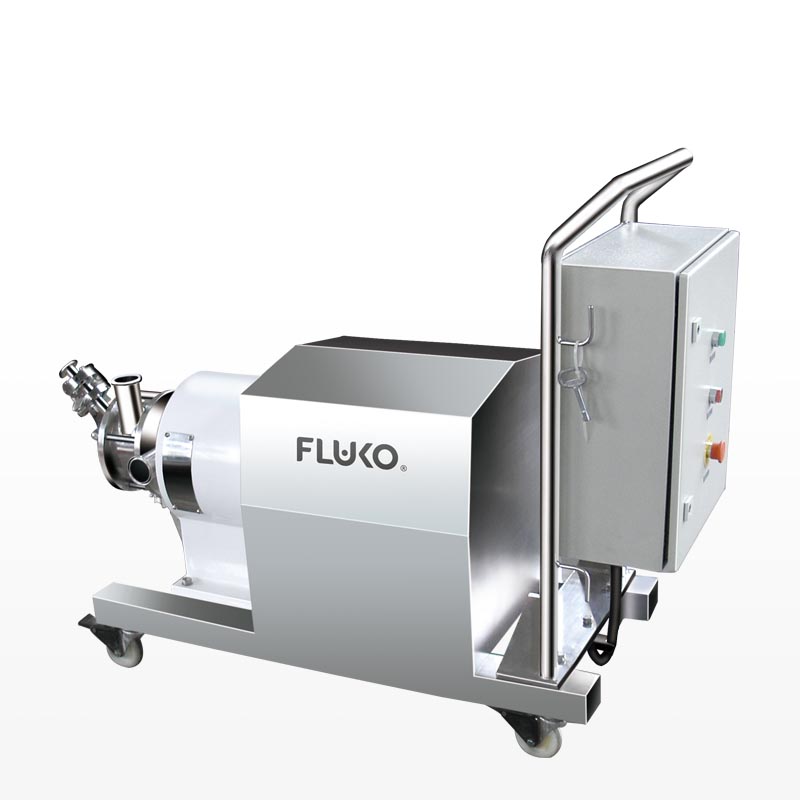
You need repeatable dispersion, tight droplet sizes, and equipment that won’t bottleneck production; nothing else matters until those are solved. If your formulations separate or your production rates slip when you ramp up, a properly specified inline high shear mixer often fixes the root cause rather than masking symptoms. Think in terms of what the machine must do hour after hour — not marketing claims — and you’ll avoid costly retrofits.
What to measure before you buy
Write down throughput targets, allowable particle/droplet distribution, acceptable shear exposure, and cleaning/maintenance windows. Note RPM ranges and available drive sizes that match those targets. Measure pilot-batch results against those numbers: the right machine reduces the number of passes needed and shortens cycle time. Keep measurements simple and repeatable — viscosity, particle size distribution, and yield after processing tell the story.
Performance factors that change outcomes
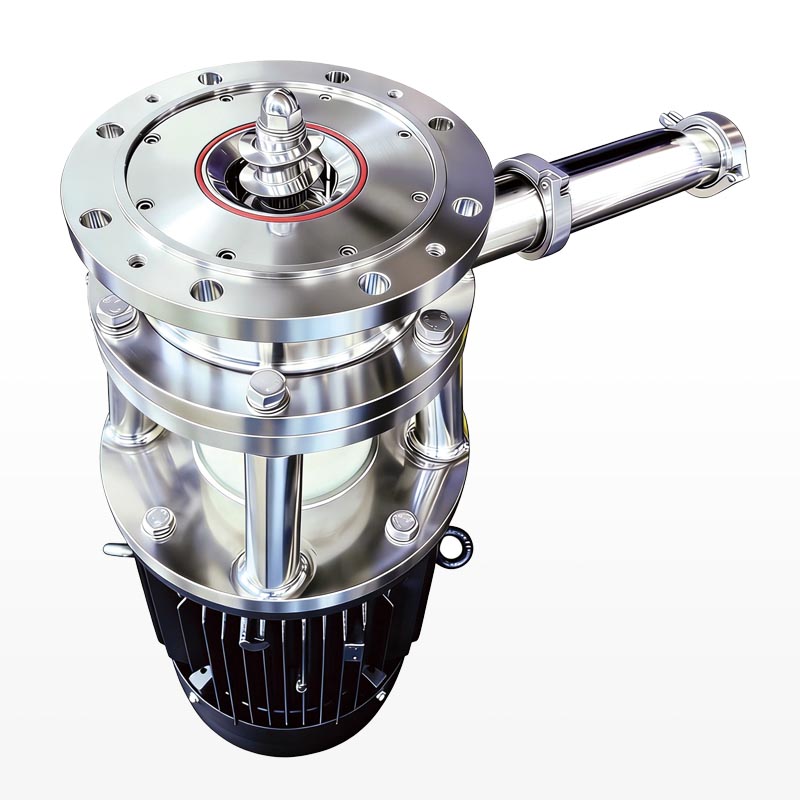
Rotor-stator geometry, gap control, and Reynolds number dominate product behavior. Small gap, high tip speed gives fine dispersion but raises heat and wear; wider gaps lower shear and preserve fragile actives. Materials of construction matter for corrosive chemistries and CIP compatibility. Plan spare-part intervals around predictable wear points rather than optimistic vendor schedules; changing rotors is far cheaper than unscheduled downtime.
Common mistakes users make
Over-sizing for theoretical peak demand, underestimating wear, and treating a mixer like a black box are frequent errors. Oversizing kills shear intensity per pass; users then run multiple passes and wonder why throughput suffers. Skipping routine checks on rotor eccentricity leads to torque spikes and seals failing. Don’t equate higher RPM with better results — match shear profile to formulation goals.
Comparing practical alternatives
Batch high-shear systems suit flexible formulations and small runs; in-line units win when space, repeatability, and sanitation matter most. Ultrasonic processors give ultra-fine dispersions for niche products but complicate scale-up. Homogenizers with staged valves deliver extreme pressure-based breakdowns, yet they can be overkill when controlled rotor-stator shear will do the job. Choose the simplest architecture that meets your product specs and service capabilities.
Real-world experience and industry grounding
Operators in Germany’s Ruhr industrial region routinely prefer solutions that combine predictable throughput with straightforward maintenance — a pragmatic standard echoed across heavy-processing hubs. Practical field trials there often hinge on machine uptime and reproducible droplet curves, not theoretical maxima. For anyone comparing lab data to plant performance, an industrial homogenizer provides a reliable bridge between scale and specification, as long as the selection process treats shear profile and serviceability as equal priorities.
Checklist for selecting and validating a supplier
Ask for measured pilot runs with your formulation, documented spare-part lead times, and on-site maintenance training options. Insist on a physical acceptance run at your target throughput. Verify materials certificates and ask how seal life is handled under your specific chemistry. If the supplier can’t show repeatable pilot data or can’t commit to accessible spare parts, reassess the fit.
How this translates into day-to-day value
Match machine shear to product goals, define wear plans, and require pilot verification. That approach reduces surprises and keeps production stable. When equipment choices are driven by operator needs and verifiable performance — rather than buzzwords — you end up with straightforward solutions that stay reliable over years, like those offered by FLUKO.