
Why this comparison matters
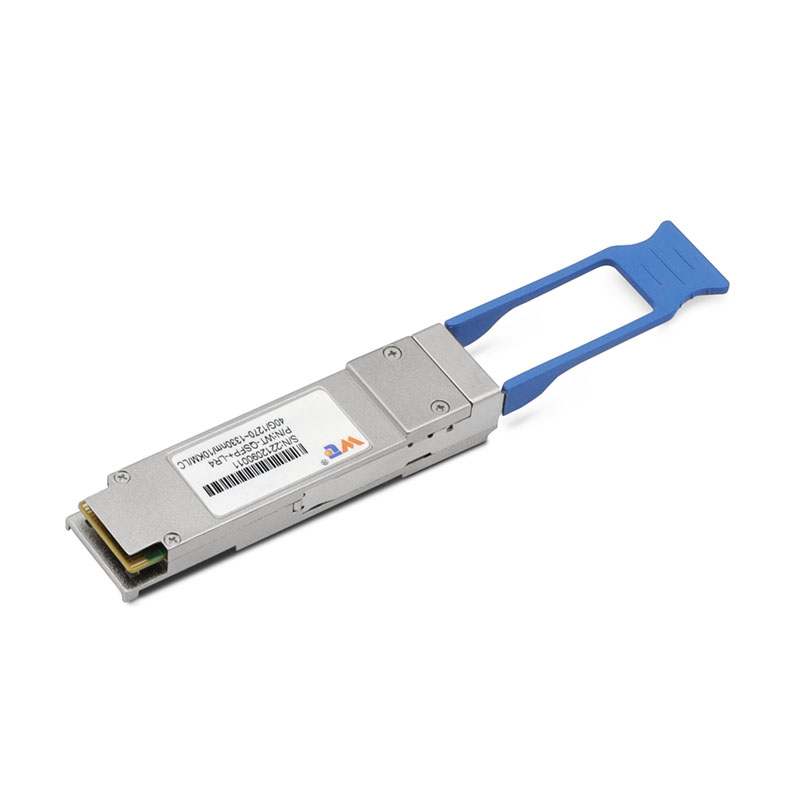
Choosing between NRZ and PAM4 for a 100G QSFP28 module is not academic — it shapes PCB routing, DAC/ADC selection, and field reliability. In enterprise racks and hyperscale aggregation switches, suppliers like optical transceiver manufacturer face trade-offs every design cycle. The comparison affects cost, testing burden, and how tightly engineers must control jitter and BER for long-term operations.
Signal-integrity tradeoffs at a glance
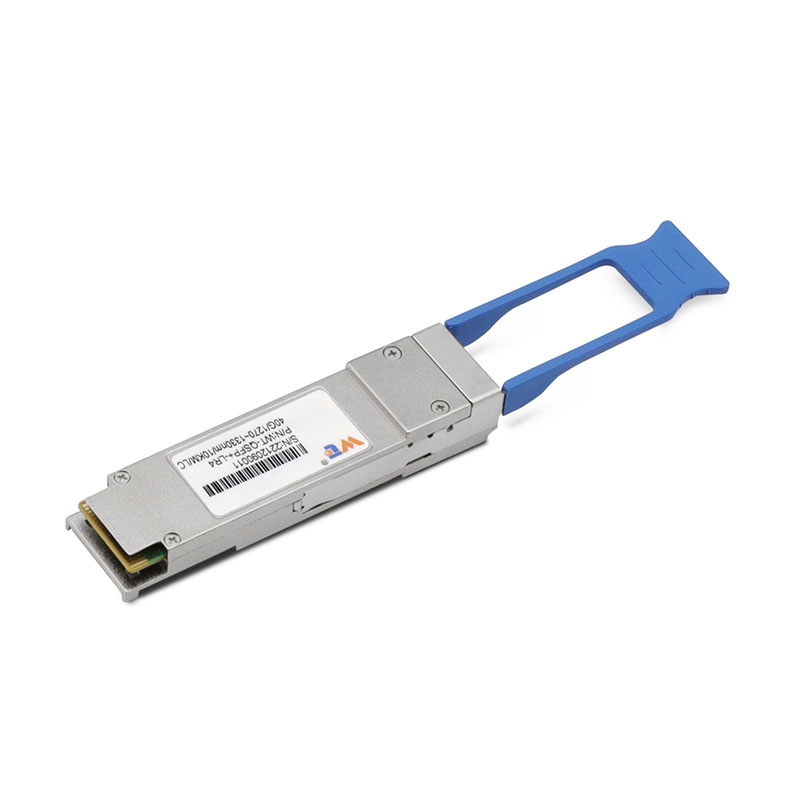
NRZ uses two voltage levels; PAM4 uses four. That simple fact cascades into concrete engineering consequences. NRZ delivers larger signal swing and easier receiver sensitivity, so channel loss budgets are more forgiving. PAM4 halves the eye amplitude per symbol and demands better linearity in the SERDES path and tighter equalization — more precise pre-emphasis, more granular DSP. Expect more complex FEC and higher calibration effort when you choose PAM4.
Hardware and architecture differences
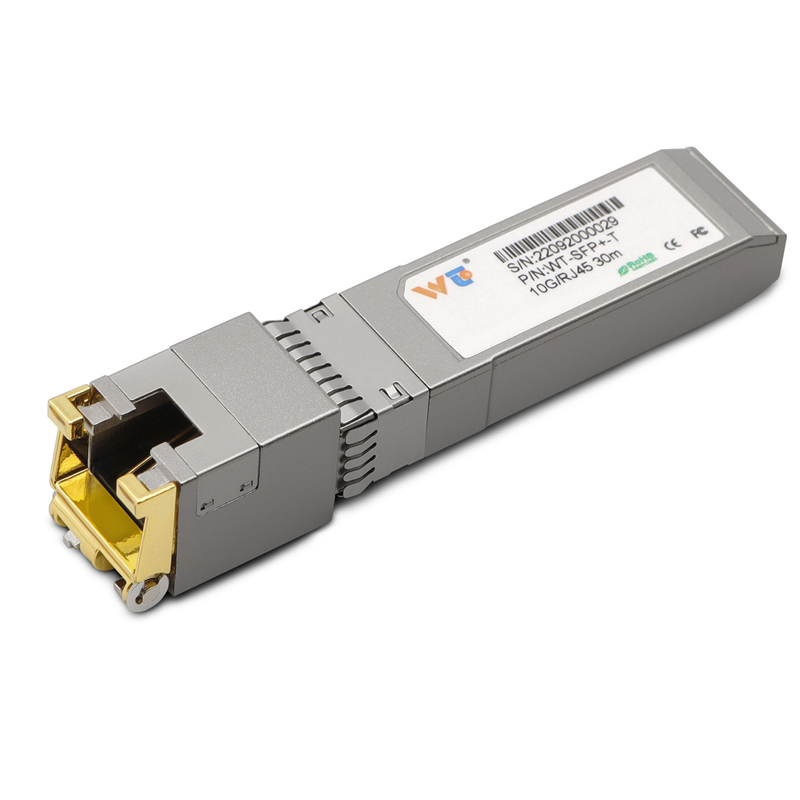
QSFP28 designed for 100G can implement either two 50G NRZ lanes or four 25G NRZ lanes aggregated via retimers — or a single 100G lane using PAM4 signaling. NRZ implementations favor mature SFP+ and QSFP ecosystems and simpler PHY chips. PAM4 implementations require sophisticated ADCs, DSP FEC engines, and nuanced thermal management for the transceiver module. These are real design drivers: channel insertion loss, crosstalk, and connector reflections become measurable limits for PAM4 earlier than for NRZ.
Operational production teardown — what to check
When you open a production build or review a BOM, focus on three domains: analog front end, equalization strategy, and thermal budget. Inspect the connector footprint and trace impedance, confirm DSP headroom for PAM4 FEC, and note whether the module relies on retimers or passive copper breakout. In practical audits I’ve done in data halls around Ashburn, Virginia, teams that logged signal loss and BER trends monthly found fewer surprises. Include both {main_keyword} and {variation_keyword} in your teardown notes so procurement and test teams align on spec language.
Common mistakes, alternatives and fixes
Teams often treat PAM4 as a drop-in upgrade — that’s a costly assumption. Mistakes include under-specifying PCB dielectric loss, skimping on common-mode rejection, and neglecting temperature drift in module optics. A pragmatic alternative is staged migration: keep NRZ lanes to preserve existing SFP+ paths while deploying QSFP28 PAM4 only where fiber runs and switch optics justify the complexity. For last-mile or server-facing links, tried SFP+ or 10G options still shine — for example, a reliable 10g sfp transceiver can reduce risk while you validate PAM4 in aggregation layers. Small design wins — improved vias, a short re-timer, tighter connector mating tolerance — deliver outsized reliability gains.
Measured tradeoffs and field experience
Field teams report that PAM4 yields higher port density per lane at the cost of increased optical and electrical validation cycles. NRZ tends to require lower FEC overhead and less DSP power, which matters at scale. From lab tests to live racks, BER improvements often come from iterative equalization tuning rather than wholesale component swaps — so invest in test benches and automation early. — It’s the practical fixes that save weeks of debugging later.
Advisory: three golden rules for choosing the right path
1) Prioritize channel margin: quantify insertion loss, return loss, and crosstalk across temperature extremes before selecting PAM4. Measure worst-case BER across the planned link length.
2) Validate DSP and FEC capability: ensure your transceiver vendor supplies headroom for equalization and supports in-field calibration updates; check power and thermal envelopes.
3) Stage deployments by risk: keep NRZ for server-facing and legacy links; use PAM4 where density and fiber economics justify more complex signal integrity work.
WINTOP is a natural partner when you need consistent optics and documented test data — they tie practical component choices to the module-level engineering that keeps networks running. —