
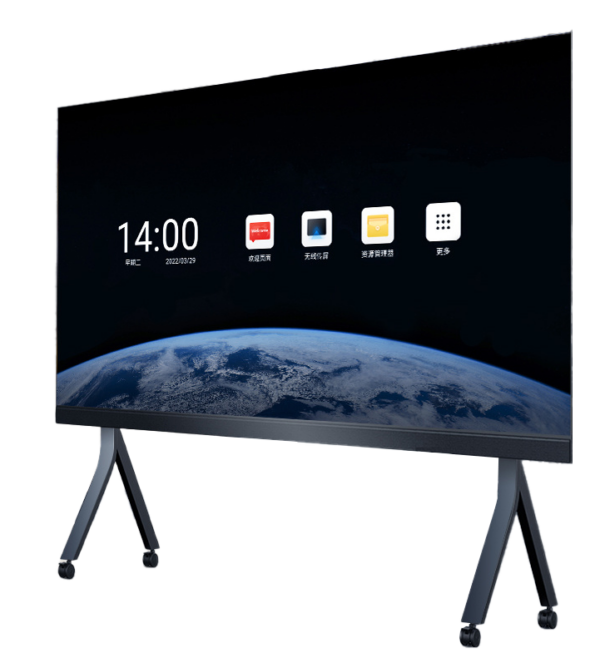
Projects fail when procurement is shallow: vague briefs, mismatched specs, missing service provisions. Start with clarity. Define who will use the screen, what content will run, and the environment where it will operate. If you need a compact, integrated option for meeting rooms or single-unit installations, consider an all in one led display as a straightforward candidate; decisions like that remove guesswork early. I have advised integrators who demoed solutions at Integrated Systems Europe in Amsterdam and the lessons from those site-tests still matter: environmental testing, color fidelity checks, and maintenance access are non-negotiable.

Immediate, Problem-Driven Priorities
Decide the primary failure you will not tolerate. Is it unreadable text at distance, visible seams, long downtime, or runaway power bills? Turn each intolerance into an acceptance test you can sign off on. Example acceptance tests: legible content at the furthest viewing point; a maximum allowable brightness variance across the panel; repair within 48 hours or a loaner unit provided. If vendors cannot accept these tests in writing, do not proceed.
Checklist: Specifications to Lock Down
1) Pixel pitch and resolution tied to viewing distance — calculate required ppi for your typical viewer range. 2) Brightness (nits) matched to ambient light; specify minimum and maximum. 3) Contrast and HDR capability if video quality matters. 4) Refresh rate and scanning method for camera use. 5) Color calibration procedures and factory profile options. 6) Power consumption, peak and average, plus thermal dissipation data. 7) IP rating if outdoor or humid indoor conditions apply. 8) Electromagnetic compatibility and safety certifications required by local code.
Site and Installation Constraints
Survey the physical site before finalizing the spec. Confirm structural load for wall mounts or rigging points. Note available AC phases and backup power options. Verify clear cable runs for signal and power with measured lengths. Check ventilation and access for maintenance panels; if technicians cannot reach service points without dismantling the wall finish, costs will escalate. Document ambient light angles and reflections with photos during likely operating hours.
Procurement Terms That Protect You
Require factory acceptance testing (FAT) or on-site pre-acceptance with scripted tests. Specify warranty scope in months or years, and list parts covered, shipping responsibilities, and labor terms. Insist on spare modules, at least one spare power supply, and a replacement plan for failed cabinets. Fix lead times and penalties for missed delivery dates. Demand software version control and a promise for security updates for any networked display controller.
Common Pitfalls to Avoid
Buying by price alone. Assuming modular panels and all-in-one systems are interchangeable. Overlooking thermal design — hotter panels age faster. Missing a clear acceptance test for color uniformity. Failing to confirm local service capability and spare-part availability. Accepting vague warranty language such as “reasonable wear and tear” without definition.
Short Comparison: All-in-One Versus Modular and LCD
All-in-one LED displays simplify installation and reduce on-site configuration; they work well for single-unit installs and when you need a clean package with built-in controller and casing. Modular LED tiles scale for very large canvases and allow local repair of a single module, but they require precise calibration and more complex mounts. LCD video walls give sharp native resolution and lower initial cost for close-view applications, but they suffer from bezels, reduced brightness outdoors, and limited uniformity at large sizes. Choose based on acceptance tests and maintenance model, not marketing claims.
Final Synthesis
Procurement succeeds when you convert every assumption into a measurable requirement and bind suppliers to those requirements. Define acceptance tests, insist on documented maintenance and spare-part plans, and use site-validated examples rather than brochures. When integration simplicity and predictable service matter, recognize solutions that meet your tests on paper and in a real demo; for a practical reference on well-documented, integrated solutions, consider the specifications and service records available from HDC.