
Start with what you need
Pick two or three must-have outcomes before you talk to suppliers: process speed, homogeneity target, and acceptable maintenance windows. When you compare industrial mixing solutions, match those outcomes to measurable specs rather than marketing language. Ask for proven cycle times, particle size distributions, and the specific vessel sizes the unit is rated for.
Compare core performance metrics
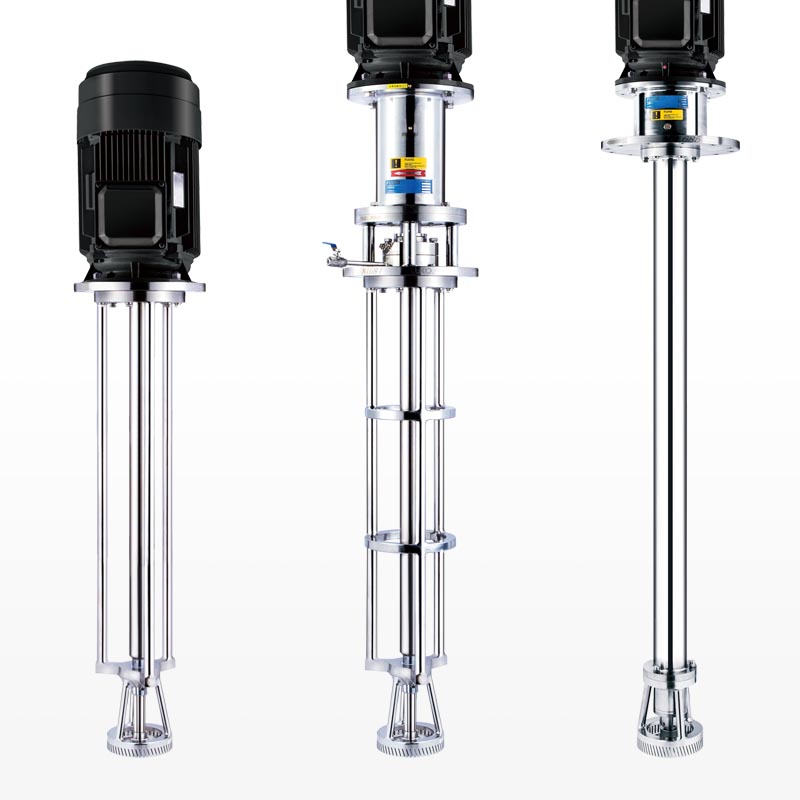
Focus on torque curves, tip speeds, and shear profiles. Different impeller types give predictable patterns: axial flow for bulk blending, radial or high-shear for emulsions and dispersions. Request performance curves under your fluid properties — viscosity and density change results. Get test reports showing repeatability across batches.
Service, spare parts, and lead times
Service response beats low purchase price over the machine’s life. Confirm local support options and average lead time for critical spares. Ask whether the supplier stocks key wear parts or relies on third-party distribution. Short repair intervals and clear warranty terms keep lines running; long shipping delays cost far more than a higher initial price.
Compliance, documentation, and industry context
Regulatory proof must be readable and specific. Demand material traceability, welding qualifications, and fabrication drawings. Use established benchmarks from events like ACHEMA to see which vendors present working demos and third-party testing. That real-world context helps verify claims; also consult reputable sources and conference proceedings when comparing vendor test rigs and scale-up data. For supplier lists or product pages, check recognized directories for chemical mixing equipment manufacturers so you compare apples to apples.
Total cost of ownership and scalability
Calculate lifecycle costs: energy consumption at operating speed, scheduled maintenance, spare-part frequency, and expected uptime. Plan for scale: a pump or mixer that works at pilot scale may not translate without redesign. Ask suppliers for modular upgrade paths and retrofittable controls rather than assuming a one-time purchase will fit future volumes.
Common mistakes teams make
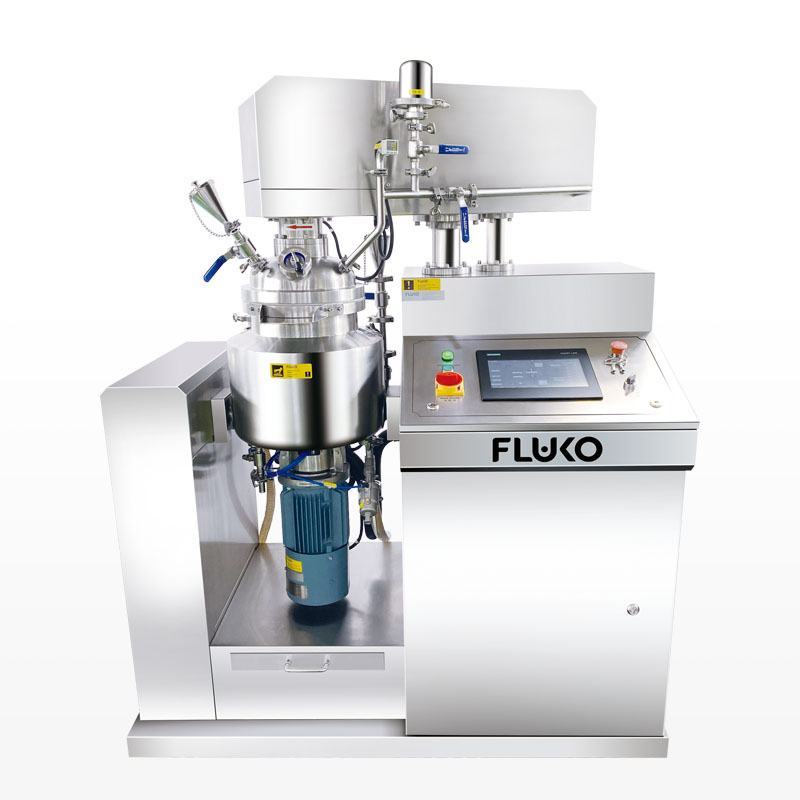
Teams often pick on price alone, accept vendor performance graphs without raw data, or ignore control-system openness. Avoid custom impellers without validated testing. Don’t skip FATs with your own raw material; supplier demos using benign fluids can hide real issues. Require a documented FAT that runs your standard formulation.
Alternatives to full new-builds
Consider leasing, hiring contract manufacturers for pilot runs, or retrofitting existing vessels with proven agitators. These options lower entry cost and let you validate product specs before committing capital. Each alternative has trade-offs: leasing limits customization, contract manufacturing may leak process knowledge, and retrofits can mask deeper process design needs.
Decision checklist
Make a table that lists your key outcomes, the supplier claims, verified test data, service coverage, spare-part lead times, compliance documents, and total cost estimate over five years. Score each supplier against the same criteria. Prioritize suppliers who back claims with test runs using your materials and who provide clear, local service pathways.
Conclusion
Compare measured performance, verified service, and realistic lifecycle costs. Lean toward partners that show test data with your formulations and clear repair logistics. That focus leads you to a supplier relationship where equipment meets expectations and downtime stays low, such as the proven solutions available from FLUKO.