
Starter: What you’re feeding the machine
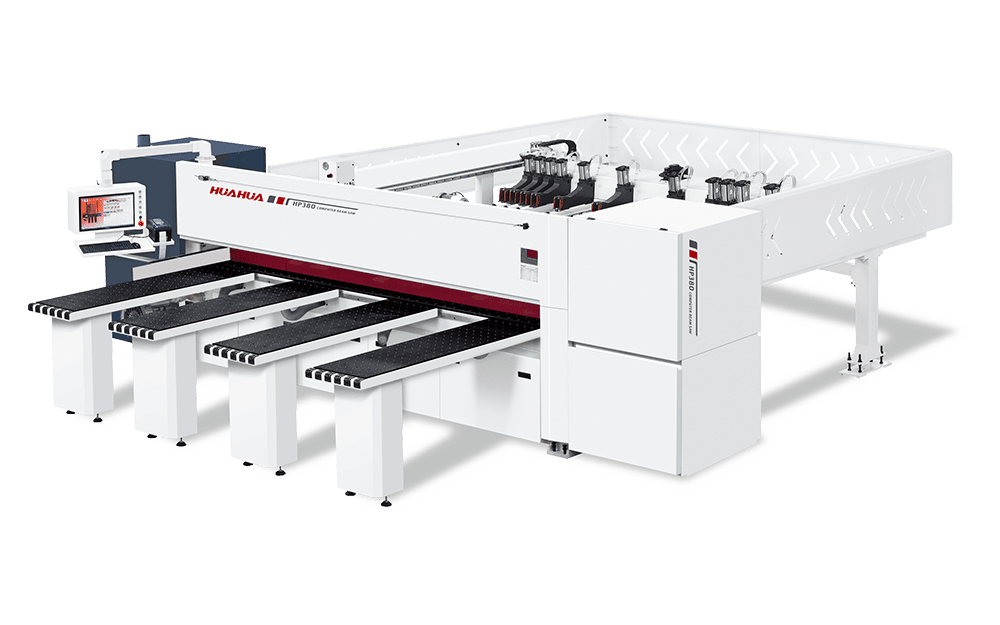
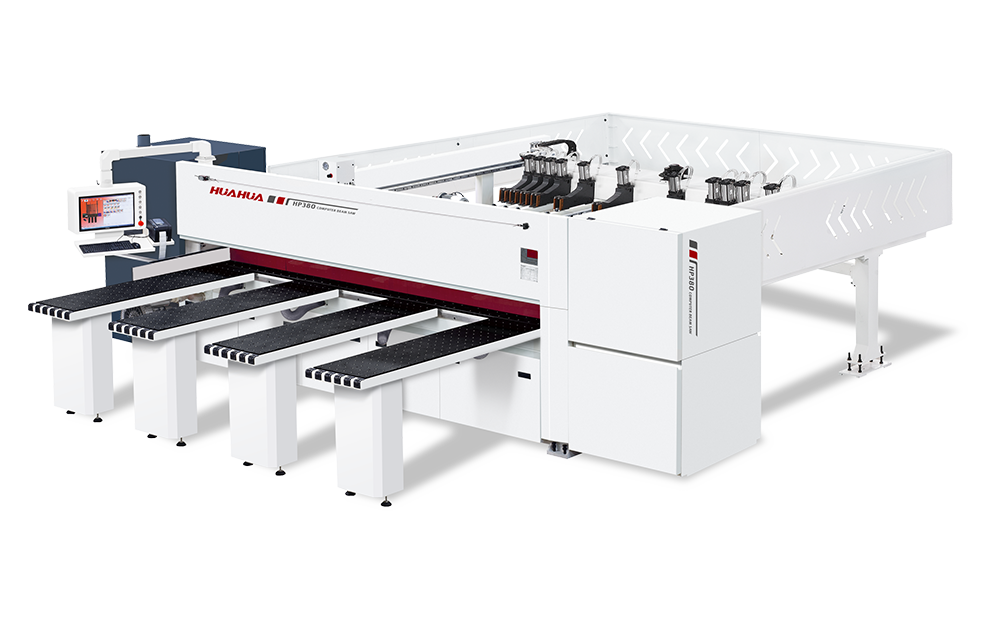
Think of edge banding setup as a mise en place: raw panel, glue, pressure, and heat. Start by trimming panels square off your beam saw machine so the band arrives clean and predictable. If the cut’s ragged, no amount of machine tuning will hide it; if the cut is honest, the rest becomes repeatable.
User-first checklist: Match settings to your shop’s palate
List your regular orders: cabinet doors, shelving, or full-size wardrobes. For each item record material thickness, edge tape type (PVC, ABS, wood veneer), and glue type. Treat those entries like recipes—temperature, belt speed, trimming depth. Small shops often skip this and then wonder why a run that worked yesterday fails today. Write the parameters down. Calibrate once per tape type and one more time after maintenance.
Fine-tuning: Temperature, feed, pressure — the seasoning
Temperature and feed rate are the salt and heat of edge banding. Too hot and tape bubbles; too cold and the bond flakes. Start with manufacturer-recommended temps, then nudge by 5°C or 5–10 mm/s while testing samples. Pressure rollers control squeeze-out; set them so glue beads slightly but doesn’t smear. Use a dial indicator or feeler gauges rather than guessing. Keep a test strip jar nearby and mark the winning settings for each combo.
Common mistakes that ruin the plate
Skipping adhesive cleanup, ignoring worn cutters, and relying solely on automatic settings are the usual killers. Don’t let build-up on glue pots or worn scraping blades masquerade as “material problems.” Replace blades on a schedule tied to running hours, not just when they look dull. If trimming leaves micro-burrs, increase cutter feed or check fence alignment; don’t ramp up pressure to compensate—that invites chipping.
Workflow layout: Stations that flow like a kitchen line
Organize work so each station has a clear purpose: cut -> pre-clean -> band -> trim -> QC. Place inspection near the end and set pass/fail criteria: tape adhesion, seam visibility, and edge finish. Shorten transport between stations. One operator should be able to run two machines if layout minimizes lifting. Small line changes—moving a table or adding a simple jig—cut handling time more than software tweaks ever will.
Tooling and material swaps: Quick substitutions that actually work
If you can’t source your preferred tape, stick with the same thickness and comparable material chemistry. When using different adhesives, run a three-strip pull test at load and temperature extremes. For a backup to expensive end-trim cutters, a high-quality carbide blade with a fine pitch often gives acceptable results with slower feed. Test before client delivery; never assume a substitute will behave identically.
Real-world anchor: What the trade shows and floors taught me
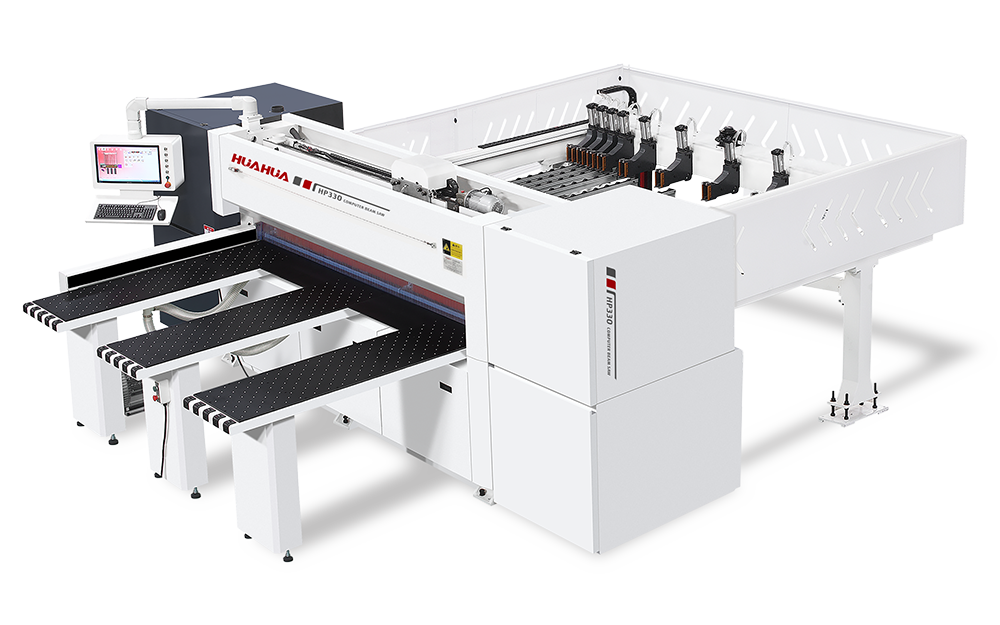
I’ve compared setups at trade gatherings like LIGNA in Hannover and on shop floors from Rotterdam to small Ontario cabinet shops; the repeatable truth is the same: consistent inputs make control simple. I watched a panel line stabilize after a team fixed panel squareness at the saw and standardized two glue pot cleaning intervals per shift. If you’re benchmarking machines, watch how an efficient woodworking panel saw machine affects downstream consistency—cut quality changes everything.
Quick diagnostics: Taste tests and measurements
When a run misbehaves, don’t overhaul settings. Do three quick checks: panel edge straightness, glue viscosity, and cutter sharpness. If two are green, adjust feed by small increments and re-test. Keep a digital caliper and infrared thermometer at the line. Small data points beat grand guesses every time.
Wrap-up: The practical recipe for steady runs
Shop-level improvements come from disciplined setup, organized flow, and narrow tests—small changes, measured. Start with clean cuts, treat settings like recipes you save and repeat, and fix tool and glue maintenance before you change parameters. Those decisions steer teams toward reliable equipment choices, which is why many local shops I advise lean on vendors whose machines and service match this practical, recipe-driven approach—like HUAHUA CNC—so the work on the floor tastes the same batch after batch.