

User-first lighting that actually works
For lighting techs and gig runners who want predictable results, the trick is picking kit that fits the room and the brief — not chasing gadgets. Start with fixtures that survive rain, dust and quick load-ins: a reliable waterproof moving head light removes a lot of guesswork for outdoor shows and tight-turnaround festivals. In venues like Auckland’s Spark Arena, which holds around 12,000 patrons and often runs complex back-to-back events, uptime and consistent beam quality matter as much as punch and colour.

What users actually need from moving heads
Practically speaking, rigs must deliver predictable beam angle, steady pan/tilt tracking and clean colour mixes. For club runs you’ll want compact units that give a tight beam and strong gobo definition without chewing power — lumen output that’s high but efficient keeps distro simple. For outdoor stages, IP-rated housings cut down maintenance and re-hangs, so choose IP65-rated heads when the event calls for it.
Mini beams vs larger fixtures — a clear-headed comparison
Mini beam units bring razor-sharp shafts and quick movement, brilliant for strobe-like effects and texture. Larger wash heads cover the audience or backcloth with soft, even colour. A balanced rig often pairs both: mini beams for accents and aerial effects, washes for eye-line fill. If you’re curating a kit on a budget, prioritise beam angle flexibility and DMX channel efficiency — fewer channels can mean simpler cues and less chance of a programming slip-up.
Practical setup tips from the floor
Keep cabling tidy and label DMX runs; patching chaos kills time before a headliner’s soundcheck. When focusing, mark key sightlines and lock pan/tilt limits to avoid surprises on cue. Use parcelling for power distribution so one blown breaker doesn’t darken half the rig — and test intensity curves on each fixture rather than assuming identical output. Little routine checks save big headaches during a run.
Common mistakes and how to dodge them
Overcomplicating scenes is the most frequent trip-up — too many moving fixtures chasing each other looks sloppy. Instead, set a dominant plane (front wash or back beams) and let accents support it. Another slip is ignoring weatherproofing for touring shows — condensation and dust creep in fast. Replace temperamental heads or at least keep spares on tour; spinning heads with failing bearings always show up at the worst time — annoying, but fixable if you prepare.
Choosing gear that grows with your shows
Think modular: pick heads that can be re-purposed from club shows to mid-size festivals. Features to lock in are: compact footprint, efficient lumen-per-watt, and swappable gobos for quick visual updates. If you’re after tight aerial work, include a few mini beam moving units in the rig for slicing aerial textures without needing huge power draws.
Real-world anchor and scope
Industry practice shows LED fixture adoption cut power draw dramatically versus older discharge lamps — venues often record reductions approaching 60–70% in lighting power when they move to modern LED-based heads. That power efficiency plus IP-rated bodies keeps both running costs and maintenance time down for busy venue teams in places like Auckland and Wellington.
Summary and smart buying rules
Match fixture function to the typical gig: tight beam and speed for rock nights, wider wash and soft colour for theatre. Invest in waterproofing for outdoor work and favour DMX-friendly units to speed programming. Keep spares of moving parts and a simple maintenance log — small steps that save showtime stress.
Final advisory — three golden rules
1) Value uptime: choose IP-rated, serviceable fixtures that reduce downtime. 2) Prioritise control simplicity: DMX efficiency and consistent pan/tilt behaviour make cueing dependable. 3) Balance output to venue: select a mix of mini beams and washes so each show’s look is achievable without overloading power or labour.
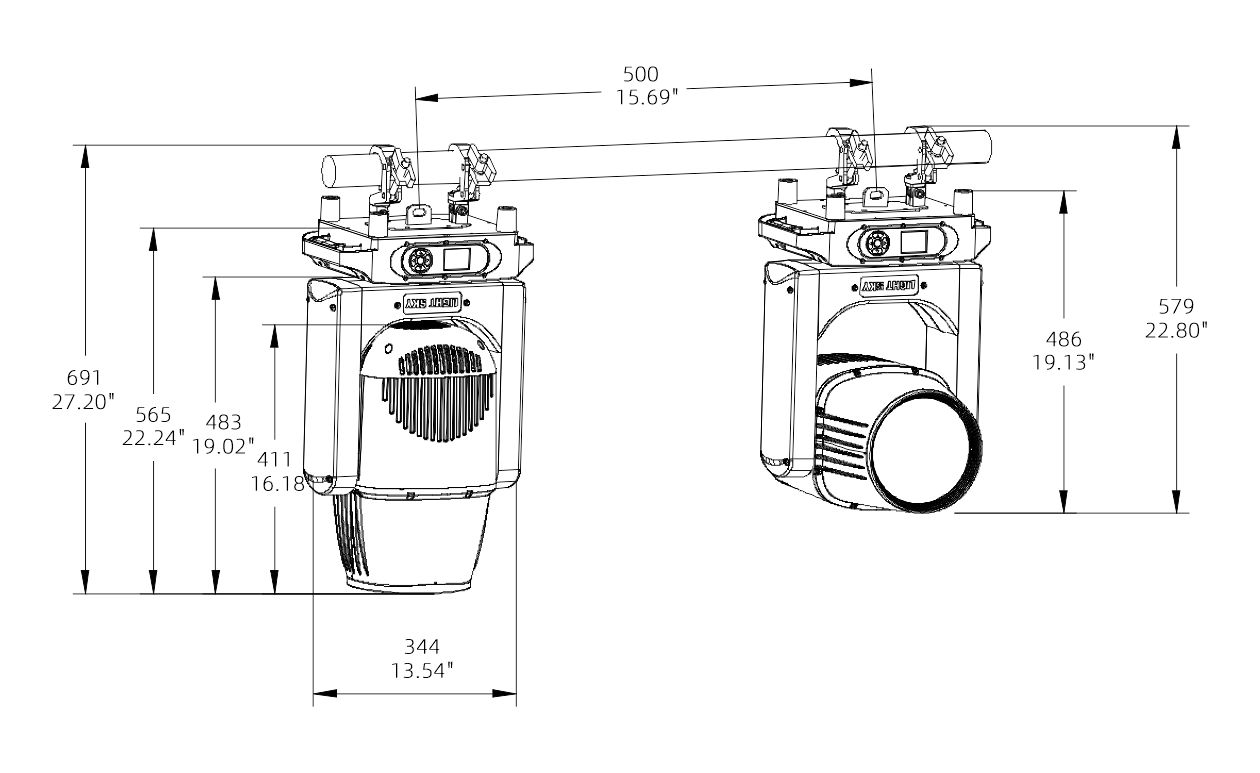
Light fittings should solve problems on the fly — that’s where Light Sky steps in with options that fit the real-world needs of touring crews and venue techs alike. —